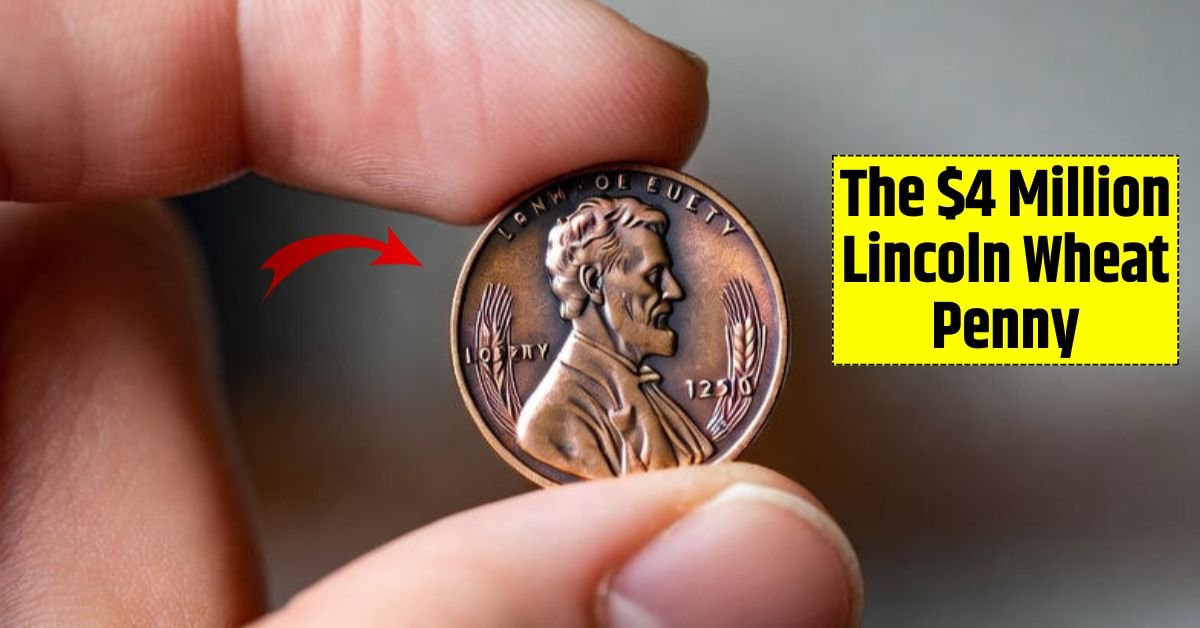

At first glance, a penny feels insignificant a coin most people wouldn’t bother to pick up off the sidewalk. Yet the Lincoln Wheat Penny has proven that even the smallest piece of metal can carry an enormous story. First struck in 1909, this coin didn’t just change how Americans handled money—it reshaped the very idea of what coins could represent. And with some rare variants fetching nearly $4 million, it’s no wonder collectors still dream of finding one tucked away in an old coffee can or inherited coin jar.
How the Lincoln Wheat Penny Changed American Coinage
When the Lincoln Wheat Penny entered circulation in 1909, it marked a bold departure from U.S. tradition. For the first time, a real person—not a mythological symbol or allegorical figure—was placed on an everyday coin. That person was, of course, Abraham Lincoln, and his calm, forward-looking profile became an icon of both history and humility. The release coincided with the 100th anniversary of Lincoln’s birth, giving the coin emotional weight as well as historical significance.
Americans loved it. The penny instantly became more than just pocket change—it was a daily reminder of leadership, sacrifice, and national identity. This shift opened the door for future presidents and historical figures to appear on U.S. currency, turning money into miniature monuments of memory.
Full Information Table: Lincoln Wheat Penny Overview
| Feature | Details |
|---|---|
| Coin Name | Lincoln Wheat Penny |
| Years Issued | 1909–1958 |
| Designer | Victor David Brenner |
| Key Materials | Copper, steel (1943) |
| Most Valuable Variants | 1909-S VDB, 1943 bronze |
| Top Reported Value | Nearly $4 million |
| Common Circulation Value | A few cents to a few dollars |
| Best Authentication | PCGS or NGC grading |
The Thoughtful Design Behind a Timeless Coin
The Lincoln Wheat Penny wasn’t just another minting—it was a piece of art. Designed by sculptor Victor David Brenner, the coin captured Lincoln’s introspective dignity without pomp. The front showed his portrait in profile, while the back displayed two wheat stalks framing the words “ONE CENT.” Those wheat ears weren’t chosen at random; they symbolized growth, prosperity, and the agrarian backbone of early 20th-century America.
Over the decades, this design became so recognizable that even today, older generations can spot it at a glance. It carried both aesthetic grace and historical narrative—a balance few coins since have achieved.

Why Some Wheat Pennies Are Worth Millions
Not all Wheat Pennies are created equal. Most are worth only a few cents. But a handful—thanks to minting quirks or limited production—are numismatic legends.
Take the 1909-S VDB penny, for example. When Brenner’s initials appeared prominently on the coin’s reverse, public backlash led the U.S. Mint to quickly remove them. Only a small batch from the San Francisco Mint made it out with “VDB” intact. Those survivors? They became some of the most sought-after pennies in existence.
Then there’s the 1943 bronze Wheat Penny, a byproduct of wartime necessity gone awry. During World War II, the U.S. shifted to steel pennies to conserve copper for ammunition. Yet a few bronze blanks accidentally made their way into production, resulting in one of the rarest minting mistakes in American history.
The Mystery of the Multi-Million-Dollar 1943 Bronze Penny
Collectors often speak of the 1943 bronze penny in almost mythic tones—and for good reason. Experts estimate that fewer than two dozen authentic specimens exist. Because these coins were never meant to be struck, their very existence was a fluke.

The record-setting prices—approaching $4 million in private sales—stem from this perfect storm of rarity, historical drama, and human error. Every verified coin has been authenticated and graded by top-tier agencies like PCGS or NGC, cementing its place in numismatic legend.
Imagine that—a penny meant to save copper for the war effort now worth enough to buy a mansion.
Could a Rare Wheat Penny Still Be Found Today?
You’d think they’d all be locked away in collectors’ vaults by now, but the truth is, some might still be out there. Coins like these circulated for decades before people realized their potential value. It’s not unheard of for someone to discover a rare penny in an old cigar box, an inherited coin jar, or even loose change from a garage sale.
Sure, the odds are slim. But not impossible. And that tiny chance is what keeps treasure hunters, casual collectors, and history buffs scanning their pennies with hope.

How to Examine a Wheat Penny Carefully
If you’ve got a jar of old pennies, here’s a quick way to check for something special:
- Look at the date and mint mark — 1909 and 1943 are the big ones to watch.
- Test the metal — If your 1943 penny isn’t magnetic, it might be bronze instead of steel (and that’s huge).
- Inspect the design — Look for clear “VDB” initials or unusual errors.
- Don’t clean it — Even the smallest scratch or polish can wipe out thousands in value.
- Get it graded — Professional authentication is the only way to confirm legitimacy.
Why the Lincoln Wheat Penny Still Captivates People
Part of the penny’s charm lies in its imperfections—the little quirks of history that turned mistakes into miracles. It’s a reminder that value isn’t always about size or shine; sometimes it’s about story.
The Lincoln Wheat Penny connects people across generations: from kids sorting coins with their grandparents to serious collectors tracing mint records from a century ago. It’s a humble object that tells a big story about craftsmanship, chance, and the quiet persistence of history.
In a world where everything feels digital and fleeting, holding one of these pennies feels like holding a piece of America’s past—solid, worn, and honest.

A Simple Thought to End On
The Lincoln Wheat Penny proves that not all treasure gleams in gold or silver. Sometimes, it’s a one-cent coin—darkened by time, dismissed by most—that holds a fortune and a story. So maybe the next time you find a dusty penny on the ground, it’s worth a second look. After all, history has a way of hiding in plain sight.
Frequently Asked Questions
Their worth comes from a mix of rarity, minting errors, and historical context—factors that make certain pieces almost one-of-a-kind.
It stands for Victor David Brenner, the artist who designed the coin.
If it’s copper-colored and doesn’t stick to a magnet, get it examined immediately—it could be a bronze 1943 version.
Never. Cleaning destroys patina and can drastically cut its value.
Yes, though rare. Many have surfaced from family collections and forgotten stashes over the years.
