
Maruti Suzuki, the brand that practically built India’s small car culture, is quietly gearing up for a massive shift — one that could redefine how budget mobility meets sustainability. With stricter emissions norms looming and EV competition heating up, the country’s largest carmaker isn’t just refreshing old models anymore; it’s rebuilding its lineup from the ground up with hybrid, flex-fuel, and electric powertrains.
A Strategy Shift
For decades, Maruti Suzuki thrived on affordable, frugal petrol cars. But the future looks hybrid. The company’s new game plan involves injecting green tech across segments instead of relying on mid-cycle facelifts or new paint schemes. Insiders suggest a string of hybrid and zero-emission models are already in the works — covering everything from crossovers and hatchbacks to MPVs and micro SUVs.
One of the first to roll out from this eco-focused roadmap could be the updated Fronx. The compact crossover is expected to borrow a mild-hybrid setup from Suzuki’s international lineup initially, before transitioning to Maruti’s in-house strong hybrid system, currently under development. The Fronx could also mark the debut of ADAS (Advanced Driver Assistance Systems) in its segment, aligning it more closely with global safety trends.
Reinventing the Entry-Level Segment
Maruti isn’t forgetting its roots. The company is reportedly developing an all-new entry-level hatchback, designed to bring back first-time car buyers who’ve been priced out of the market due to rising costs. The new model will likely focus on low running costs and multi-fuel adaptability, offering variants powered by CNG, flex-fuel, and hybrid assistance.
That’s a clever move. It keeps the car affordable, future-ready, and relevant across India’s diverse fuel landscape. If executed right, this could become Maruti’s new bread-and-butter model — something as significant as the Alto once was.

A Compact MPV With Strong Hybrid Muscle
Another intriguing project in the pipeline is a compact MPV slated to sit below the Ertiga. Drawing inspiration from Suzuki’s tall and space-efficient Spacia MPV sold in Japan, this model could offer the same practicality but tuned for Indian families.
Expect a strong hybrid petrol setup — possibly derived from Maruti’s Z-series engine family — which would combine a small displacement motor with an electric drive unit for better fuel efficiency and lower emissions. Such a model would plug the gap between the WagonR and the Ertiga, catering to urban families who want space but not bulk.
The Micro SUV Story
India’s micro SUV segment is on fire — thanks to the Tata Punch and Hyundai Exter — and Maruti doesn’t intend to sit out. Reports suggest a new micro SUV is under active development, featuring SUV-inspired styling, high ground clearance, and hybrid technology.
It could become the next big crowd-puller for Maruti, especially if priced between Rs. 6 and 9 lakh. The company’s track record with compact vehicles and clever packaging gives it a solid edge in this space.

Electrifying the Urban Game
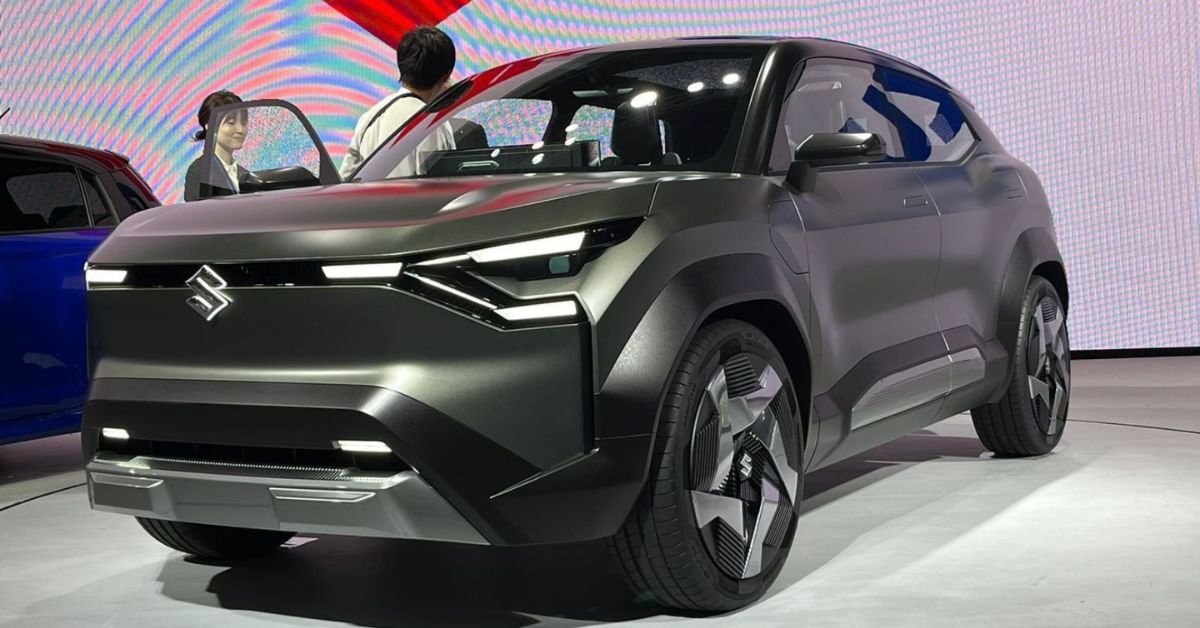
Beyond hybrids, Maruti Suzuki is preparing to step more boldly into the EV space. The company’s first mass-market electric SUV, the eVX, is already in the final stages of testing for its 2025 launch. But what comes next is arguably more interesting — a compact electric hatchback based on the eWX concept.
Unveiled globally under Suzuki’s portfolio, the eWX concept is a boxy, city-focused EV that prioritizes cabin space and efficiency over flash. The production version for India will likely maintain the same tall-boy design, with practical interiors and a range suited for daily city commutes.
If priced competitively (say, under Rs. 10 lakh), this could become India’s most accessible electric car — giving Maruti a crucial head start before Tata and Hyundai bring their next-gen small EVs.
The Big One
Further up the ladder, the new-generation Baleno is already on the drawing board, targeted for a 2027 launch. While it’ll naturally come with a fresh design and more premium interiors, what’s really exciting is what’s under the hood.

Sources indicate that the upcoming Baleno will debut Maruti Suzuki’s next-gen strong hybrid powertrain, featuring the Z-series 1.2L naturally aspirated three-cylinder petrol engine working as a range extender. In essence, it’ll blend EV-like efficiency with the convenience of a petrol refuel — no plug-in hassles, no range anxiety.
That could make it one of the most fuel-efficient hatchbacks in the country and a direct rival to hybrid offerings from Toyota and Honda.
Maruti’s Multi-Tech Bet
Maruti Suzuki isn’t putting all its eggs in one electric basket — and that’s what makes this strategy interesting. While rivals like Tata and Mahindra are racing toward full electrification, Maruti’s layered approach across CNG, hybrid, flex-fuel, and EV keeps it adaptable to India’s uneven charging infrastructure and fuel ecosystem.
| Powertrain Type | Expected Models | Launch Timeline | Key Focus |
|---|---|---|---|
| Mild Hybrid | Updated Fronx | 2026 | Better efficiency, ADAS debut |
| Strong Hybrid | Compact MPV, Baleno 2027 | 2026–27 | Low emissions, improved fuel economy |
| CNG / Flex Fuel | New entry-level hatchback | 2026 | Budget-friendly, low running cost |
| EV | eWX-based compact EV | 2026–27 | City mobility, zero emissions |
| Hybrid Micro SUV | New micro SUV | 2026 | Punch/Exter rival |
What This Means for India’s Auto Market
Maruti Suzuki’s multi-pronged approach reflects a pragmatic understanding of India’s transition phase. The country may not be ready to go all-electric overnight, but hybrids, flex-fuel engines, and efficient CNGs can pave the way.

If all goes as planned, Maruti’s upcoming lineup could cover nearly every price point — from sub-Rs. 5 lakh commuters to Rs. 15 lakh premium hybrids — effectively creating a “green ladder” for Indian buyers to climb.
It’s not as headline-grabbing as an all-EV blitz, but it’s classic Maruti: cautious, calculated, and likely very effective.
