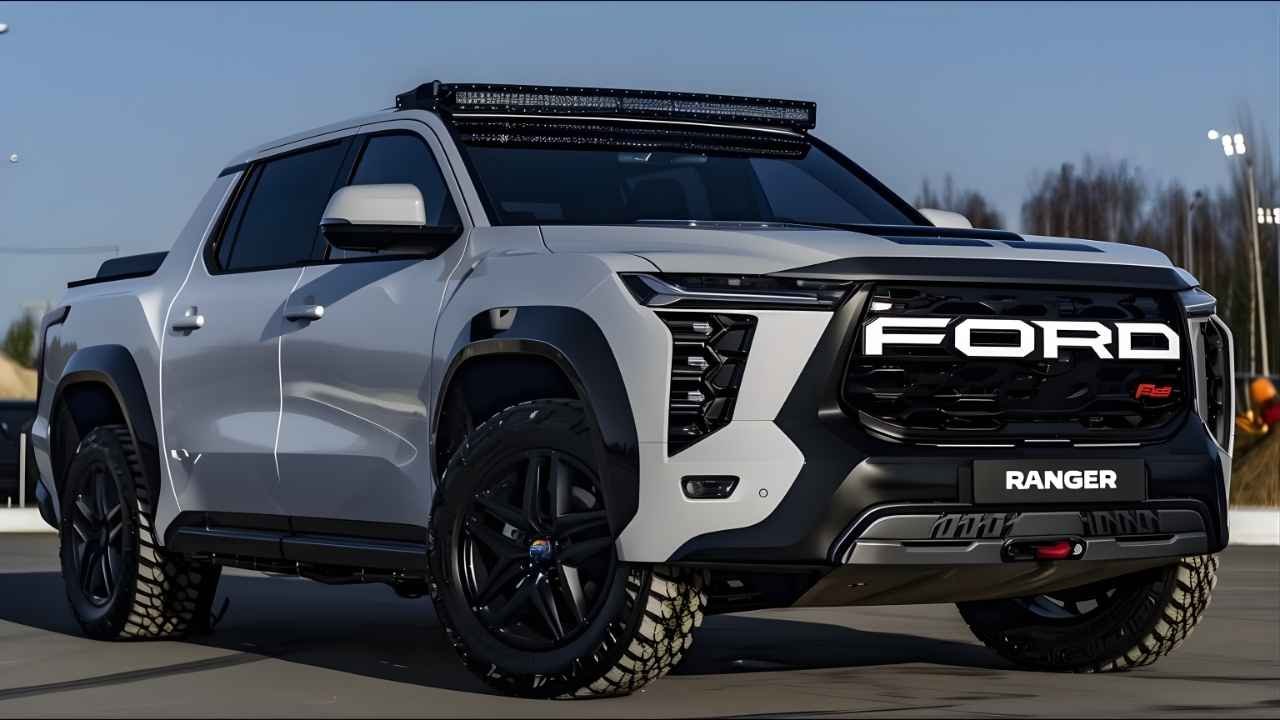

The 2026 Ford Ranger drops into the American mid-size pickup scene with a bolder attitude, smarter tech, and enough grit to keep up with the big boys. It’s no longer the “little brother” to the F-150—it’s staking its own claim, and frankly, doing it with style. Whether you’re hauling gear through Colorado’s mountain trails or just tackling the Monday morning school run, this truck’s built to flex. Not just muscle, but brains, too.
Let’s unpack what makes the Ranger 2026 more than just a facelift and why it might be the smartest pickup buy in its class right now.
A Familiar Name, a Fresh Purpose
Ford didn’t just tweak a few lines and call it a day. The Ranger 2026 rides on an evolved version of Ford’s global truck platform—shared with its international counterpart—but tailored specifically for the American road (and off-road). It’s bigger where it matters, smarter under the skin, and tougher in its bones.
This isn’t about nostalgia. It’s about progress. Ford’s betting on the sweet spot between rugged functionality and daily comfort—and, honestly, it’s a bet that could pay off big. Why? Because full-size trucks are ballooning in both size and cost, leaving a gap that the Ranger fits into like a glove.
Design: Muscular but Modern
First impressions matter. The 2026 Ranger makes its entrance with broad shoulders, a chunkier stance, and a grille that screams “don’t mess with me.” It’s got the signature C-clamp LED headlights that echo the F-150, but somehow feels more youthful, more athletic.
You’ll notice the longer wheelbase—it improves ride quality and makes room for a more spacious cabin. And the details? Think functional. Integrated side steps for the bed, wider track for better handling, and an upgraded tailgate that doubles as a mobile workbench.
Inside, the truck finally ditches the outdated cabin feel of its predecessor. Expect a 12-inch touchscreen, optional digital instrument cluster, and soft-touch materials that make it feel less like a contractor’s tool and more like a weekend warrior’s companion.

Powertrain: Muscle Where You Need It
Here’s where things get interesting.
| Engine Option | Horsepower | Torque (lb-ft) | Towing Capacity | MPG (Est.) |
|---|---|---|---|---|
| 2.3L EcoBoost I-4 | ~270 hp | 310 lb-ft | ~7,500 lbs | 20 city / 26 hwy |
| 2.7L V6 EcoBoost (optional) | ~315 hp | 400 lb-ft | ~7,500+ lbs | 18 city / 24 hwy |
| Raptor 3.0L V6 (Rumored) | ~405 hp | 430 lb-ft | TBA | TBD |
The base 2.3L turbo-four returns with slight tuning upgrades, while the optional 2.7L V6 EcoBoost, borrowed from the F-150, gives the Ranger some serious bite. And let’s talk about that rumored Ranger Raptor—a Baja-inspired beast meant to throw dirt like it’s got a grudge.
Don’t worry, the truck’s frame is built to take the punishment. Whether you’re towing boats in Michigan or trailering ATVs across Arizona, this thing won’t flinch.
Tech That Works With You
Ford’s SYNC 4 system is front and center, with wireless Apple CarPlay and Android Auto baked in. But it’s not just about infotainment. The Ranger’s cabin tech feels purposeful.
You’ve got trailer backup assist, 360-degree cameras, and off-road drive modes that adjust throttle, traction, and braking on the fly. Need to check your blind spot with a trailer hitched? It’s got you covered with extended blind-spot monitoring.
There’s even a zone lighting system you can control from your phone—great for job sites or after-dark camp setups.

Safety: Built Like a Vault
Ford didn’t cut corners here. The 2026 Ranger comes standard with:
- Pre-collision assist with automatic emergency braking
- Lane-keeping system
- Adaptive cruise control
- Post-collision braking
- Rear cross-traffic alert
Plus, its reinforced ladder frame and updated crash structures mean it’s not just about avoiding danger—but surviving it, too. That’s peace of mind whether you’re solo on a dusty trail or have kids strapped into the back seat on the morning commute.
Mileage: Surprisingly Practical
Trucks aren’t exactly known for sipping fuel, but Ford’s managed to strike a solid balance. Thanks to improved aerodynamics and powertrain efficiency, the Ranger 2026 lands in the low-to-mid 20s for MPG.
Sure, it’s not a hybrid (yet), but for a pickup that can tow over 7,000 pounds, that’s impressive. And it’s worth noting: Ford hasn’t ruled out a hybrid or even plug-in variant down the road, depending on how U.S. buyers lean in the next few years.
Pricing: Still Within Reach
Expect a starting price around $32,000, which puts it in line with competitors like the Toyota Tacoma and Chevy Colorado. Higher trims—like the Lariat or potential Platinum—could creep toward $50K+, especially with all the off-road and tech packages.
But here’s the thing: even at the base level, you’re not getting a stripped-down, work-truck feel. Ford’s done a decent job keeping the value-to-features ratio strong, even as prices rise across the segment.

How It Stacks Up Against Rivals
Let’s do a quick comparison:
| Model | Max Towing | Horsepower | Tech & Comfort | Brand Reliability |
|---|---|---|---|---|
| Ford Ranger 2026 | ~7,500 lbs | Up to 405 hp (Raptor) | High (SYNC 4, premium cabin) | Strong |
| Toyota Tacoma 2024 | ~6,800 lbs | 278 hp (i-Force) | Moderate to High | Excellent |
| Chevy Colorado 2024 | ~7,700 lbs | 310 hp (TurboMax) | High (Google built-in) | Moderate |
| GMC Canyon 2024 | ~7,700 lbs | 310 hp | Premium | Moderate |
Where the Tacoma leads in long-term reliability and off-road cred, the Ranger fights back with more power, smarter tech, and a more balanced ride. The Colorado and Canyon shine in towing and in-cabin tech but can’t quite match Ford’s brand recognition or rugged feel.
A Well-Rounded Contender
The Ford Ranger 2026 is what happens when a truckmaker listens to its customers and learns from the competition. It’s not trying to outgun full-size pickups—but it is trying to outsmart them, and that’s a savvy play in today’s market.
It’s refined without losing its backbone. Capable without going overboard. Comfortable without getting soft.
For many Americans, that’s exactly the kind of truck they’ve been waiting for.
FAQs
Not yet. As of now, the Ranger 2026 sticks to traditional gas engines, but a hybrid may be in Ford’s future plans.

Ford is expected to roll out the 2026 Ranger in the second half of 2025, with pre-orders likely opening earlier in the year.
Expect XL, XLT, Lariat, and potentially a Raptor version. Each trim brings different levels of tech, performance, and off-road ability.
The Ranger offers more power and tech options, while the Tacoma leans on its off-road reputation and long-term reliability.
Absolutely. With improved interior space, advanced safety features, and modern tech, it’s well-suited for both work and family life.
