
You hit 40, and suddenly your back starts filing complaints like it’s got a grievance list. The stiffness creeps in, the slouching gets worse, and tying your shoes feels like a mini workout. Sound familiar? You’re not alone. As we age, the spine naturally loses flexibility, and years of bad posture—desk jobs, couch lounging, maybe even old injuries—begin to show up loud and clear. But here’s the deal: you don’t have to take it lying down.
Gentle yoga, especially after 40, can be a game-changer for spinal health. It’s not about twisting like a pretzel or doing headstands—it’s about creating space, strength, and awareness in your spine so you can move, sit, and stand with more ease. Here are six yoga poses designed to straighten and support your spine, with a little extra love for bodies over 40.
Mountain Pose (Tadasana)
The foundation of all standing poses—and your everyday posture.
Stand with your feet hip-width apart, arms resting by your sides or palms together at heart center. Engage your thighs and core, lift through the crown of your head, and ground down through your feet. Breathe slowly and deeply.
Why it matters: Mountain Pose reintroduces your body to proper alignment. It gently activates your postural muscles (core, glutes, thighs) and builds the awareness needed to correct slouching throughout your day.
Tip: Visualize a straight line running from your heels to the top of your head. Every breath lifts and lengthens you upward, while your feet stay planted like roots.
Cat-Cow Pose (Marjaryasana-Bitilasana)
The spinal warm-up you didn’t know you needed.
On your hands and knees, inhale to lift your chest and tailbone (Cow Pose), then exhale to round your spine and tuck your chin (Cat Pose). Repeat slowly for 8–10 breaths.
Why it matters: This gentle flow increases spinal mobility, improves posture awareness, and helps lubricate the vertebrae—especially helpful if your back feels like it’s been in a time capsule all day.
Tip: Keep your movements smooth and focus on initiating each movement from your spine, not your limbs.
Child’s Pose (Balasana)
The ultimate reset button for your back.
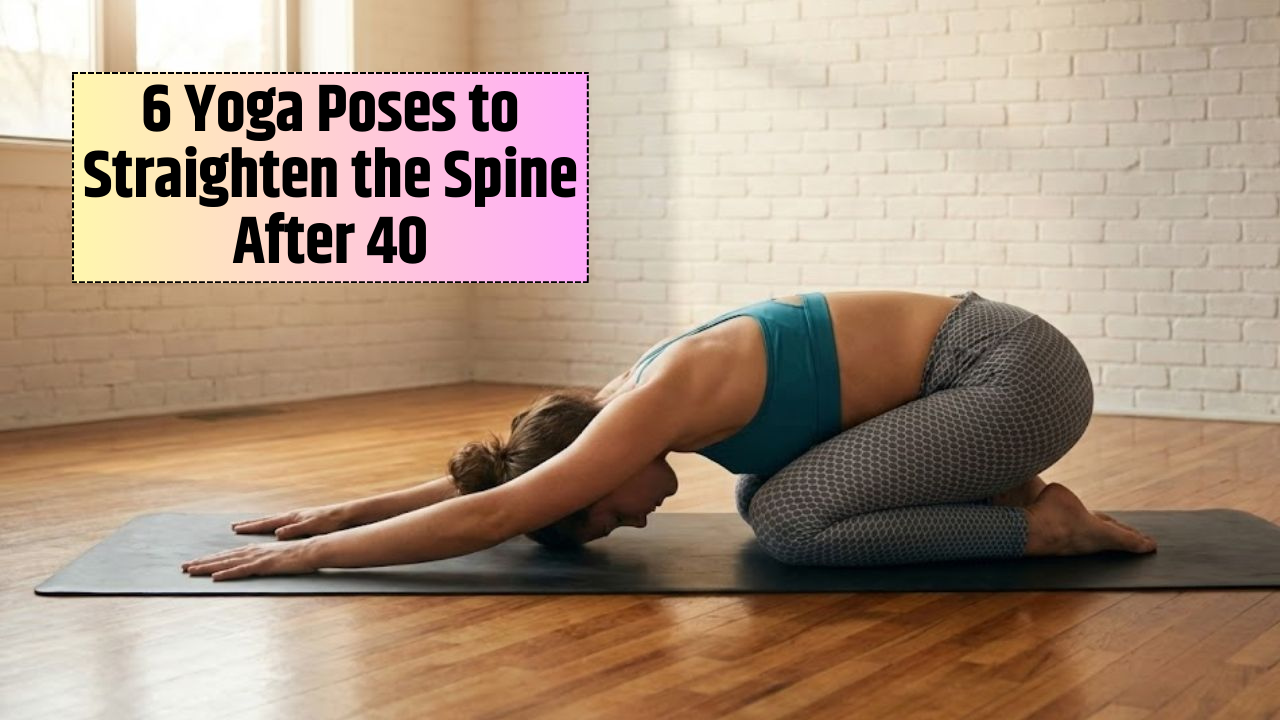
Start kneeling, then sit back on your heels and stretch your arms forward, resting your forehead on the mat (or a pillow if needed).
Why it matters: It gently decompresses the spine, stretches the lower back and hips, and calms the nervous system. Perfect after a long day or between stronger poses.
Tip: If your knees are sensitive or hips are tight, place a cushion between your thighs and calves, or under your chest. No shame in modifying for comfort.
Cobra Pose (Bhujangasana)
Undo years of hunching in one simple lift.
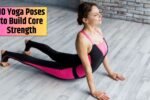
Lie on your stomach, place your palms under your shoulders, and as you inhale, lift your chest while keeping your elbows bent and close to your sides. Don’t overdo the backbend—focus on lifting through your upper chest.
Why it matters: Cobra strengthens the spine, opens up the chest and shoulders, and helps reverse the forward slump many of us develop from desk work or texting.
Tip: Engage your core and press your pelvis lightly into the mat to avoid crunching your lower back.
Seated Forward Bend (Paschimottanasana)
A seated stretch that offers both physical and mental release.
Sit with legs extended in front of you, spine tall. Inhale to lengthen upward, then exhale and fold forward from the hips—resting your hands on your legs, ankles, or feet.
Why it matters: It stretches the spine, hamstrings, and lower back, areas that tighten with age and inactivity. Plus, it promotes a calm, reflective mindset—something we could all use more of after 40.
Tip: If your hamstrings are tight, bend your knees slightly or sit on a cushion to tilt your pelvis forward.
Bridge Pose (Setu Bandhasana)
Support your spine by strengthening the muscles around it.
Lie on your back, bend your knees, feet flat and hip-width apart. Press into your feet and lift your hips toward the ceiling. Interlace your fingers under your back and roll your shoulders underneath if comfortable.
Why it matters: Bridge strengthens the glutes, hamstrings, and lower back—key players in spinal support. It also opens up the chest, countering that all-too-familiar rounded shoulder posture.
Tip: Avoid flaring the ribs or over-arching your back. Keep your knees aligned and your breath steady.
Tips for Practicing Yoga After 40
Yoga doesn’t get harder as you age—it just gets smarter. Here’s how to practice in a way that supports your changing body:
- Ease into it: Don’t chase intensity. Focus on alignment and breath first, depth second.
- Practice regularly, not perfectly: 20–30 minutes a day beats one long session a week.
- Use your breath: A deep, steady breath helps activate the core and stabilize your spine.
- Support your body: Use props—blankets, blocks, bolsters. They make yoga safer and more accessible.
- Check in with your doctor: Especially if you’ve had spinal surgery, herniated discs, or chronic back pain.
Here’s a quick breakdown of the poses and their spinal benefits:
| Pose | Main Benefits for Spinal Health |
|---|---|
| Mountain Pose | Builds awareness, strengthens core and alignment |
| Cat-Cow | Improves spinal mobility and flexibility |
| Child’s Pose | Gently stretches and decompresses spine |
| Cobra Pose | Strengthens spine, opens chest |
| Seated Forward Bend | Loosens hamstrings, calms mind, reduces tension |
| Bridge Pose | Strengthens back, glutes, and improves posture |
If you’re over 40, this isn’t about reclaiming your 20-something body—it’s about moving with freedom, confidence, and less pain. A healthy spine sets the foundation for all of that. And yoga? It’s not just stretching—it’s spinal self-care in motion.
FAQs
Yes, especially with gentle styles and beginner poses. Always listen to your body and consult a doctor if you have chronic spinal issues.
Aim for 3–5 times a week for 20–30 minutes. Even short daily sessions can bring noticeable results.
Start slowly and skip any pose that causes sharp pain. Child’s Pose, Cat-Cow, and Bridge are generally safe, but consult a professional for personalized guidance.
While it can’t reverse aging, yoga can slow spinal degeneration, improve flexibility, and reduce pain significantly.
Not at all. Flexibility is a result of yoga, not a requirement. Start where you are and build over time.
