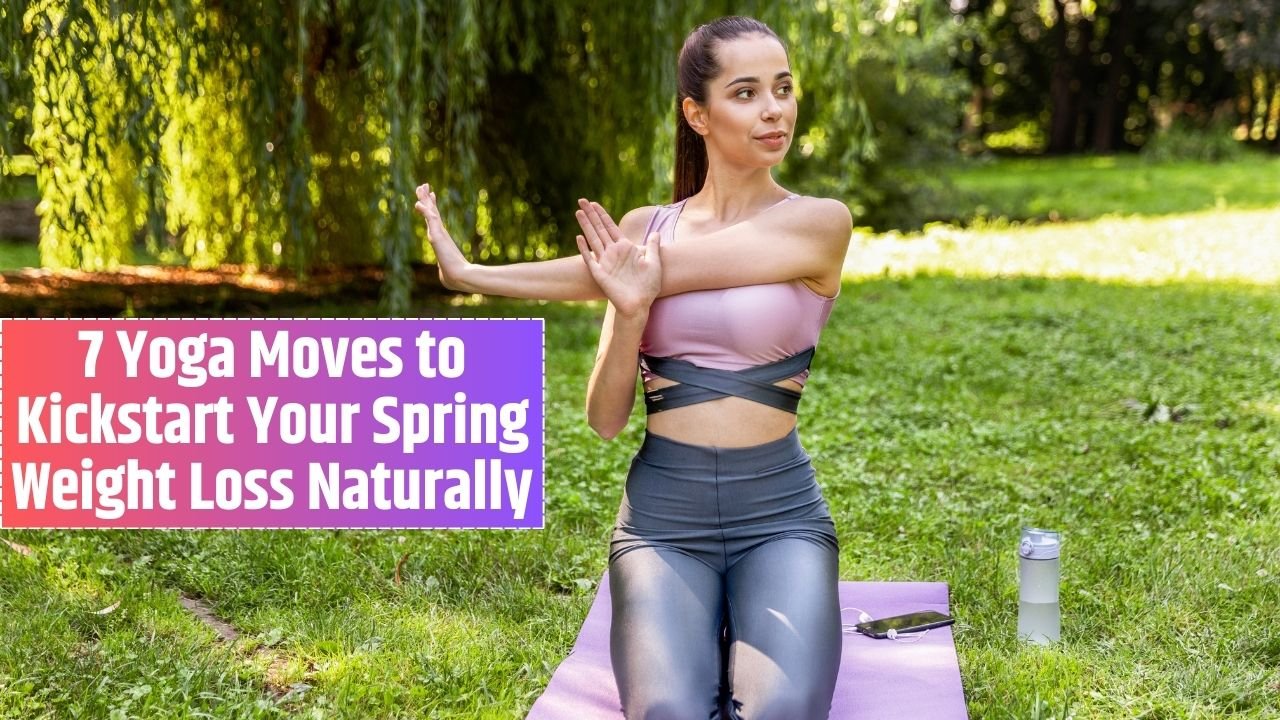

Winter tends to leave its mark not just in the form of frost on your windows, but often as a few extra pounds around the waist. Between the cozy meals, shorter days, and less motivation to move, it’s no surprise that spring rolls around and many of us start looking for ways to shake off that seasonal sluggishness. But instead of punishing yourself with boot camps or crash diets, there’s a more balanced, sustainable path to feeling strong and light again: yoga.
You might think of yoga as a slow stretch session or a way to unwind, and while that’s partly true, it’s also a low-impact, full-body system that supports fat loss, muscle toning, hormonal balance, and metabolism regulation—without wrecking your joints or spiking stress levels. And that last part? It matters a lot. Because chronic stress is one of the biggest contributors to stubborn belly fat, especially during winter.
Here’s how to use yoga as your post-winter reset button—starting with seven poses that help melt fat, wake up sleepy muscles, and bring energy back into your body.
1. Sun Salutation (Surya Namaskar)
What it does: Full-body calorie burn, core activation, circulation boost
This is less of a pose and more of a flowing sequence that blends forward folds, lunges, planks, and gentle backbends—all synced with breath. When repeated in cycles (5–10 rounds), it creates a mild cardio effect that gets the heart pumping and the body sweating—without the strain of traditional HIIT.
Each round tones your arms, legs, core, and back while stimulating digestion and metabolism. The rhythm and breath control also reduce anxiety, which lowers cortisol (a fat-storing hormone linked to stress eating and poor sleep).
Pro tip: Start slow. Even 5 rounds can leave you feeling refreshed, not drained.
2. Chair Pose (Utkatasana)
What it does: Burns thigh and belly fat, builds glute and quad strength
Looks easy. Burns like fire. Chair Pose targets the largest muscle groups in the body—the thighs and glutes—which means it’s excellent for fat burning. Engaging these muscles triggers your body to use more energy, even after you’re done practicing.
This pose also strengthens your core, spine, and pelvic floor, which improves posture and balance—both important for long-term mobility and confidence.
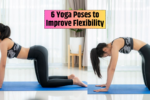
How to do it:
- Stand with feet hip-width apart
- Inhale, lift arms overhead
- Exhale, bend knees and lower your hips like you’re sitting in an invisible chair
- Keep chest lifted and spine long
Hold for 30–60 seconds. Feel the heat build.
3. Plank Pose (Phalakasana)
What it does: Builds total-body strength, burns abdominal fat
There’s no yoga fat-burning list without Plank. It engages the deep abdominal muscles, arms, shoulders, glutes, and legs—basically everything. This is where you build that solid foundation that supports better posture and a leaner, stronger frame.
Holding Plank increases your metabolic demand, especially when you focus on full-body tension. No saggy hips. No rounded shoulders. Just power.
Modifications: Drop to your knees if needed. It’s still effective.
4. Boat Pose (Navasana)
What it does: Targets belly fat, improves digestion, boosts core control
If your goal is a stronger midsection and better digestion, Boat Pose is your move. It challenges your core muscles isometrically, meaning they’re firing to hold you steady even though you’re not moving.
The lifted legs and chest engage the rectus abdominis, hip flexors, and transverse abdominis, all while teaching you to control your breath under tension.

How to do it:
- Sit on your mat, knees bent
- Lean back slightly and lift your feet off the ground
- Extend arms forward and straighten your legs (or keep them bent)
Hold for 20–45 seconds, breathe deeply, and repeat 2–3 times.
5. Warrior II (Virabhadrasana II)
What it does: Tones legs and glutes, builds endurance, boosts circulation
This strong standing pose looks static but works your entire lower body, especially the inner thighs, glutes, and hamstrings. The wide stance forces you to engage large muscle groups, increasing calorie burn and muscular endurance.
It also teaches focus and breath control—important tools when you’re trying to curb emotional or stress-related eating.
Why it’s effective post-winter: It opens tight hips and brings heat to areas that have been dormant during colder months.
6. Downward-Facing Dog (Adho Mukha Svanasana)
What it does: Full-body engagement, boosts circulation, aids recovery
Don’t let the “resting pose” label fool you. Downward Dog works your arms, shoulders, core, and legs, all while stretching tight calves, hamstrings, and spine.
It’s also a mild inversion, which helps regulate blood flow, relieve mental fatigue, and stimulate digestion—all supportive of a healthy metabolism.

Perfect for: Connecting sequences, reducing stiffness, or catching your breath between stronger poses like Plank or Warrior.
7. Bridge Pose (Setu Bandhasana)
What it does: Tones glutes, opens hips, supports metabolism and hormone balance
Bridge is sneaky-good. It targets the glutes, lower back, and abs, while gently stimulating the thyroid gland—which plays a key role in metabolic function.
When done with intention, it also opens the chest and improves breathing patterns. That matters more than you think, because inefficient breathing can raise stress hormones and reduce fat-burning efficiency.
Add it to your flow as a gentle finisher—or hold longer for restorative effect.
How Yoga Helps Melt Winter Fat (Without Extreme Workouts)
Yoga doesn’t torch calories in the way sprint intervals might, but it burns fat in a smarter, more sustainable way. Here’s how:
| Yoga Benefit | Fat-Loss Impact |
|---|---|
| Activates large muscle groups | Increases calorie burn and lean muscle mass |
| Reduces cortisol | Lowers belly-fat-related hormone and improves sleep |
| Improves digestion | Supports elimination and nutrient absorption |
| Boosts thyroid and adrenal balance | Helps regulate metabolism and energy levels |
| Promotes body awareness | Encourages mindful eating and sustainable habits |
| Relieves joint strain | Makes consistent movement easier, especially after inactivity |
Unlike punishing workouts, yoga is gentle on the joints and doesn’t spike stress hormones—making it perfect for bodies coming out of winter hibernation.
How Often Should You Practice?
To see real changes in energy, tone, and metabolism, aim for 4–6 days a week of consistent yoga practice. You don’t need hour-long sessions either—20 to 40 minutes per day can do the job.
Suggested weekly rhythm:
| Day | Focus |
|---|---|
| Monday | Dynamic flow (Sun Salutations + Warrior) |
| Tuesday | Strength (Chair, Plank, Boat) |
| Wednesday | Restorative or light walking |
| Thursday | Core and balance (Boat + Warrior II) |
| Friday | Full-body vinyasa flow |
| Saturday | Gentle recovery (Bridge, Down Dog) |
| Sunday | Optional rest or deep stretch |
Combine with hydration, whole foods, sleep, and stress management, and you’ve got a potent formula for post-winter reset.

You don’t need extreme routines or fitness fads to shake off winter weight. What you do need is consistency, intentional movement, and a sustainable system that supports not just fat loss—but better energy, better sleep, and a healthier relationship with your body.
Yoga brings all of that and more. These seven poses—from Sun Salutations to Bridge Pose—give you the tools to rebuild strength, burn calories, and find balance after months of slowdown.
This isn’t about punishing your body for comfort food or skipping workouts—it’s about honoring your body now, moving mindfully, and building habits that last long past spring.
Stick with it. The results will follow.
FAQs
With consistent practice 4–6 times per week, many people notice improved energy, strength, and lightness within 3–4 weeks. Fat loss results vary.
Yoga alone can be effective, especially when practiced dynamically. That said, light cardio like walking complements yoga beautifully.
Not necessarily. Sweating more doesn’t equal fat loss. Gentle, consistent practice matters more than heat or intensity.
Yes. Most poses can be modified with blocks, cushions, or shorter hold times.
Any time that fits your schedule. Morning yoga may help energize your day, while evening practice can reduce stress-related cravings.
