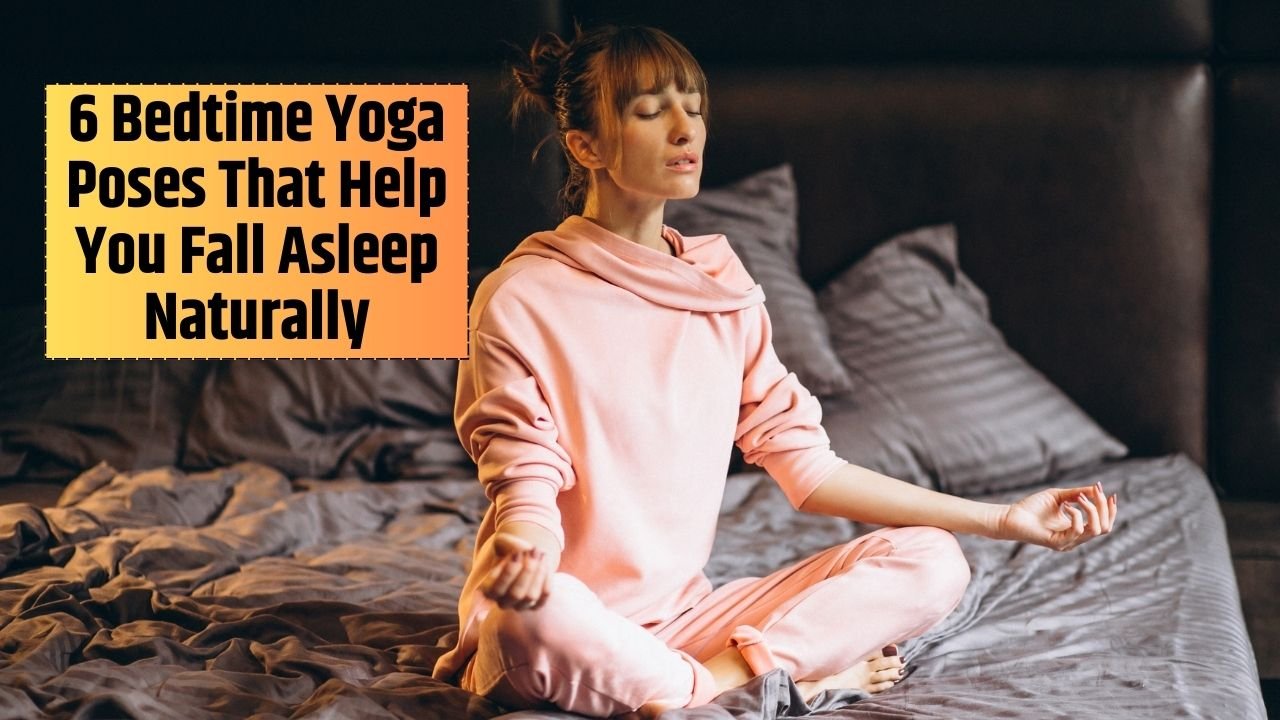

Tossing and turning at night? You’re not alone. In a world buzzing with notifications, deadlines, and way too much caffeine, sleep has become one of the hardest things to come by ironically, one of the most natural. For many of us, bedtime has turned into a battleground between exhaustion and a mind that just won’t switch off. But what if your body simply needed a signal that it’s safe to relax?
Enter: gentle bedtime yoga.
You don’t need incense, a full hour of practice, or contortionist-level flexibility. Just a few calming poses and a willingness to slow down. The following six yoga postures are designed to shift your body out of fight-or-flight mode and into rest-and-digest—the zone where sleep becomes not just possible, but inevitable.
Let’s walk through each one.
Child’s Pose (Balasana)
Why it works:
This is your nervous system’s comfort zone. Folding forward with your forehead resting on the mat or a pillow tells your brain: “It’s okay to let go now.” The hips, back, and shoulders—all major stress storage zones—get a chance to decompress.
How to do it:
- Kneel on the floor with big toes touching, knees apart
- Sit back on your heels
- Fold forward, resting your forehead on the mat
- Arms can stretch forward or rest by your sides
Pro tip: Place a cushion under your torso if you need support.
How long: Stay for 2–3 minutes, breathing slowly through your nose.
Seated Forward Bend (Paschimottanasana – Gentle Version)
Why it works:
Forward folds are inherently calming. This one soothes the nervous system, stretches the back body, and helps quiet a spinning mind. If you tend to lie in bed overthinking, this pose is your ally.
How to do it:
- Sit with your legs extended
- Slightly bend your knees
- Inhale to lengthen the spine
- Exhale and gently fold forward from the hips
- Let your hands rest on your legs or feet—wherever they land
Pro tip: Use a rolled blanket under the knees or rest your head on a block to avoid strain.
How long: Hold for 1–2 minutes. Let your breath guide you deeper—not force.
Reclining Bound Angle Pose (Supta Baddha Konasana)
Why it works:
This deeply restorative pose opens the hips and groin, areas where emotional tension often lives, while keeping the rest of the body completely supported. It also naturally slows the breath and lowers stress levels.
How to do it:
- Lie on your back
- Bring the soles of your feet together and let your knees drop out to the sides
- Place pillows or blocks under your knees
- Rest arms by your sides or over your heart
Optional: Cover yourself with a blanket or use an eye pillow for added comfort.

How long: 3–5 minutes. The longer, the better.
Supine Spinal Twist (Supta Matsyendrasana)
Why it works:
This gentle twist massages your internal organs, stretches your spine, and helps release deep-seated tension. It’s grounding and balances both sides of the body, easing you into a calmer state.
How to do it:
- Lie on your back
- Hug your right knee into your chest
- Gently guide it across your body to the left
- Extend your right arm out to the side and turn your head to the right
- Repeat on the other side
Breath tip: Inhale into the ribcage; exhale and allow your body to sink deeper into the twist.
How long: 1–2 minutes per side
Legs Up the Wall (Viparita Karani)
Why it works:
If your nervous system had a reset button, this would be it. Legs Up the Wall gently reverses blood flow, drains tired legs, and reduces mental fatigue. It slows your heart rate and creates a deep sense of stillness.
How to do it:

- Sit sideways next to a wall
- Swing your legs up as you lie down
- Adjust your hips as close to the wall as feels comfortable
- Rest arms by your side, palms up
Optional: Add a folded blanket under your hips for a supported inversion.
How long: 5–7 minutes. Set a soft timer or drift off.
Corpse Pose (Savasana) with Breath Awareness
Why it works:
This is where it all comes together. Savasana helps integrate everything you’ve done, and when paired with slow, mindful breathing, it becomes the perfect lead-in to sleep. Many people transition straight from this pose into slumber.
How to do it:
- Lie flat on your back, arms and legs comfortably spread
- Let your feet fall outward
- Close your eyes and focus on the rhythm of your breath
Optional: Try a body scan—moving awareness from toes to head, consciously relaxing each part.
How long: 5–10 minutes. Or longer. This is your final wind-down.
We often think sleep should “just happen,” but in today’s overstimulated world, our minds and bodies need help switching gears. Bedtime yoga offers that switch—not through force or effort, but through softness and stillness.
These six poses are about slowing down, not stretching deeply. You’re not aiming for flexibility here—you’re aiming for ease. A sense of groundedness. A shift from doing to simply being.
Make it a nightly ritual. Keep the lights low, ditch the screens, and give your body the permission it’s been craving all day long: to rest.
FAQs
Even 10–15 minutes can signal your body that it’s time to wind down. You don’t need a full class just a few poses done slowly and mindfully.
Absolutely. Each pose is beginner-friendly and can be modified with cushions, blankets, or props for extra support.
Yes. Fast-paced or heat-building practices may energize rather than relax. Stick to restorative and gentle movements before bed.
Yes. Consistent bedtime yoga helps regulate the nervous system, reduce anxiety, and prepare the body for sleep key components in reducing insomnia.
That’s normal. Keep practicing. Focus on your breath, stay patient, and over time your body will learn to settle.
