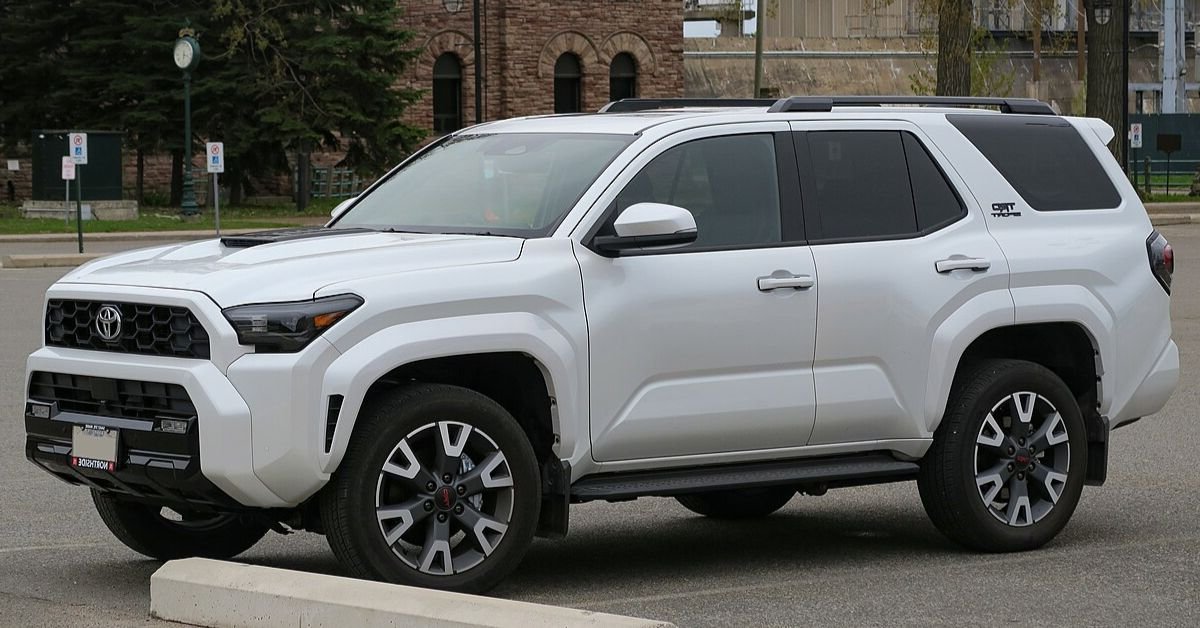

The 2025 Toyota 4Runner doesn’t whisper change it rolls in with mud on its tires and a clear message. This is still a real SUV in a world increasingly obsessed with soft-roaders and crossover pretenders. But here’s the twist: Toyota has finally dragged the 4Runner into the modern era without sanding down the edges that made it legendary in the first place.
For longtime fans, this update matters. A lot. And for new buyers who want real off-road credibility without giving up tech, efficiency, or daily usability, the 2025 4Runner suddenly makes a very strong case.
Legacy of the Toyota 4Runner
The 4Runner has always lived by a different rulebook. Since its early days, it’s been body-on-frame, trail-tested, and unapologetically rugged. While rivals chased smoother rides and car-like manners, the 4Runner stuck to its roots—earning trust among off-roaders, overlanders, and anyone who values durability over trends.
Across generations, Toyota refined the formula but never diluted it. Locking differentials, real four-wheel drive, and bulletproof reliability stayed non-negotiable. The 2025 model honors that legacy, but it finally admits something important: modern drivers want efficiency, tech, and comfort too.
Rugged Exterior Design with Modern Character
Visually, the 2025 4Runner looks like it means business. The new front end is upright and aggressive, with a bold grille and squared-off LED headlights that feel purpose-built rather than decorative. This isn’t an SUV trying to look tough—it actually is.
The profile remains boxy, which off-road purists will appreciate. Flared wheel arches, strong shoulder lines, and larger wheels reinforce its trail-ready stance. Out back, redesigned taillights and a cleaner tailgate add a modern touch without losing the truck-like identity that defines the 4Runner.
Functional Design Built for Adventure
Everything here serves a purpose. Ground clearance remains generous. Overhangs are short. Protective cladding shields vulnerable areas when the pavement ends.
Toyota hasn’t forgotten the practical stuff either. Roof rails support extra gear, skid plates guard critical components, and recovery points are integrated for real-world use. This is an SUV designed to get dirty—and survive it.
Hybrid Powertrain and Improved Performance
This is the headline change. For the first time, the Toyota 4Runner goes hybrid—and honestly, it makes sense.
The new hybrid powertrain pairs a turbocharged petrol engine with electric assistance, delivering stronger low-end torque than the outgoing V6. That instant torque is a game-changer off-road, especially during rock crawling, steep climbs, and slow-speed trail work.

Just as important, fuel efficiency finally gets a meaningful upgrade. While the 4Runner was never known for sipping fuel, the 2025 model makes daily driving far less painful at the pump—without compromising capability.
| Powertrain | Layout | Key Benefit |
|---|---|---|
| Turbo Hybrid | Petrol + Electric | Strong low-end torque |
| Body-on-frame | Ladder chassis | Trail durability |
| Hybrid assist | Regenerative braking | Improved fuel efficiency |
Smooth Transmission and Confident Driving Dynamics
Toyota has paired the hybrid setup with a refined transmission that feels far more composed than before. On-road shifts are smoother, acceleration is more controlled, and highway cruising feels calmer.
Crucially, the body-on-frame architecture remains. That means towing strength, trail durability, and long-term reliability stay intact. Suspension tuning strikes a better balance this time—less bounce on pavement, more control on rough terrain.
Legendary Off-Road Capability
Let’s be clear: off-road performance is still the soul of the 4Runner.
Advanced four-wheel-drive systems, locking differentials, crawl control, and hill descent assist are all part of the package. The hybrid system enhances traction by delivering immediate torque when grip is limited—exactly where traditional engines struggle.
Mud, sand, snow, rocks—the 2025 4Runner feels built for it all.
Trail-Focused Technology and Drive Modes
Toyota hasn’t overcomplicated things, but it has added meaningful tech. Multiple terrain modes adjust throttle response, traction control, and power delivery depending on surface conditions.
Off-road cameras offer clear views of obstacles that would otherwise require a spotter. It’s the kind of technology that boosts confidence without taking control away from the driver—something purists will appreciate.
Interior Design and Cabin Durability
Inside, the 2025 4Runner walks a careful line between rugged and refined. Materials are tougher, surfaces are easy to clean, and buttons are large enough to use with gloves. This cabin is meant to be used, not babied.

At the same time, fit and finish have improved noticeably. The dashboard feels modern, layout is intuitive, and everything is positioned with practicality in mind.
Comfort and Space for Long Journeys
Despite its trail-first mindset, the 4Runner is far more livable than before. Seats are supportive enough for long highway drives, and improved sound insulation cuts down road noise significantly.
Rear passengers get better legroom and headroom, making this SUV more family-friendly than previous generations. It’s still rugged—but no longer rough around the edges.
Infotainment and Connectivity Features
Toyota has finally stepped up the tech game. A larger touchscreen with sharper graphics anchors the dashboard, offering responsive controls and reliable smartphone connectivity.
Voice commands work smoothly, menus are logical, and the system is designed to function consistently—even in extreme temperatures or dusty conditions. It’s not flashy, but it’s dependable, which fits the 4Runner’s personality perfectly.
Advanced Safety and Driver Assistance
Safety gets a major boost for 2025. Adaptive cruise control, lane departure warning, and automatic emergency braking are now part of the standard package.
Importantly, these systems operate subtly. They assist without intruding, keeping the driving experience natural. Combined with a strong frame and high seating position, the 4Runner feels reassuringly solid in everyday traffic.
Fuel Efficiency and Environmental Benefits
The hybrid system finally brings the 4Runner closer to modern efficiency expectations. City fuel consumption drops noticeably, and regenerative braking helps recharge the battery during stop-and-go driving.
Emissions are reduced, operating costs improve, and owners no longer have to choose between capability and responsibility. That’s a big deal for a vehicle with this reputation.

Practicality and Cargo Space
Cargo space remains generous, easily swallowing camping gear, tools, or weekend luggage. The rear seats fold flat to create a wide, usable load area, and smart storage compartments are scattered throughout the cabin.
Whether it’s daily errands or extended overlanding trips, the 4Runner remains one of the most practical SUVs in its class.
Customization and Variant Options
Toyota continues to offer a wide range of trims and accessories. Buyers can opt for off-road-focused variants, different wheel setups, unique exterior colors, and trail-ready upgrades straight from the factory.
From mild adventurers to hardcore trail runners, the 2025 4Runner can be tailored to fit a wide spectrum of lifestyles.
Position in the Off-Road SUV Market
In a segment crowded with crossovers pretending to be SUVs, the 2025 4Runner stands apart. Its body-on-frame construction, proven reliability, and real off-road hardware give it credibility that many rivals simply can’t match.
The hybrid powertrain doesn’t weaken that position—it strengthens it. Toyota has managed to modernize without compromising identity, and that’s no small feat.
Real-World Driving Experience
On pavement, the new 4Runner feels more composed and predictable. Steering is steadier, ride quality is improved, and highway cruising is far less tiring.
Off-road, it’s everything you expect. Confident, controlled, and capable. The hybrid system adds smoothness and responsiveness that actually enhance trail performance rather than distract from it.
Final Verdict
The 2025 Toyota 4Runner is proof that evolution doesn’t have to mean betrayal.

Toyota has kept the 4Runner’s rugged soul intact while addressing its biggest weaknesses—fuel efficiency, interior tech, and daily comfort. The result is an SUV that feels ready for the future without forgetting where it came from.
For buyers who want something real—something built to last, explore, and endure—the 2025 4Runner doesn’t just meet expectations. It reminds everyone why this nameplate still matters.
FAQs
Yes, the 2025 model introduces a hybrid powertrain that improves torque and fuel efficiency.
Absolutely. Toyota has retained the body-on-frame design for durability and off-road capability.
Yes. Improved ride comfort, reduced noise, and better fuel efficiency make it more daily-driver friendly than before.
It includes advanced four-wheel drive, crawl control, locking differentials, terrain modes, and off-road cameras.
It’s ideal for buyers who want serious off-road capability, long-term reliability, and modern features in one rugged package.
