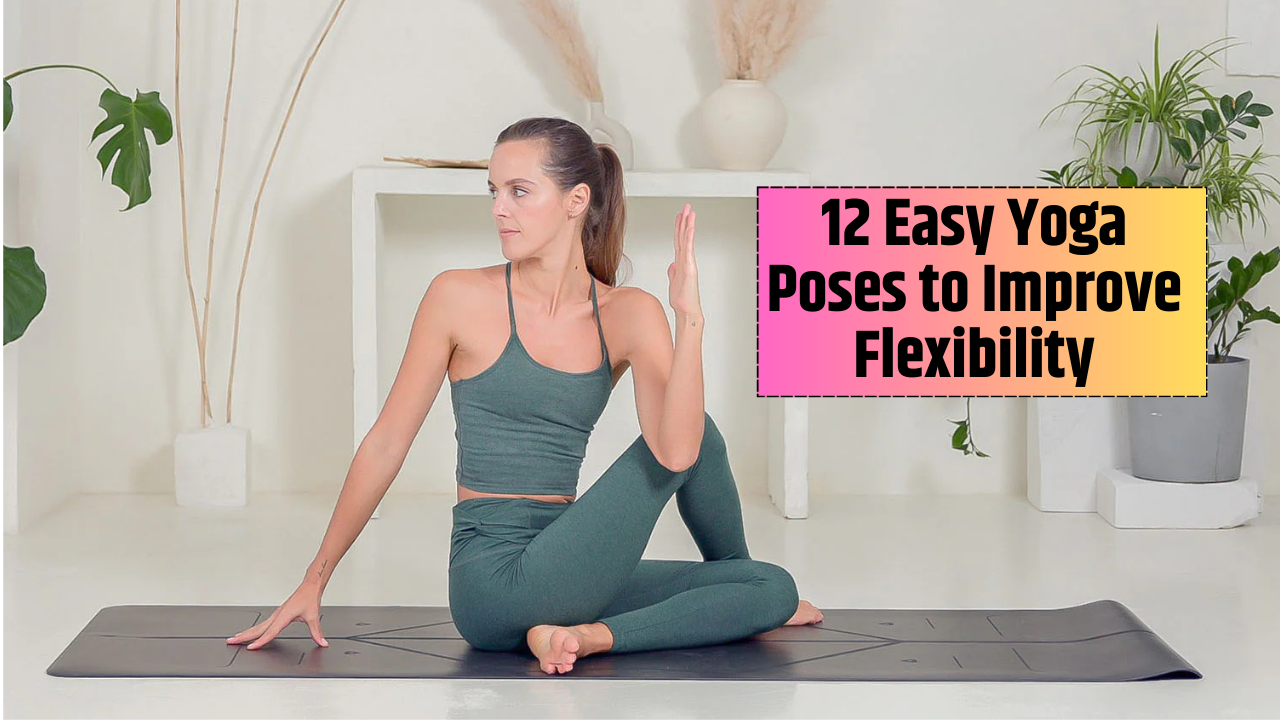

You probably don’t think about it much, but every time you bend over to tie your shoes, reach for something on a shelf, or step off a curb you’re relying on flexibility and mobility. And yet, modern life makes both harder to hold onto. Hours spent slouching at desks, scrolling on phones, or commuting in cramped positions gradually take their toll. The body becomes stiffer. Movements feel more restricted. Eventually, even simple actions can feel like work.
Here’s the good news: you don’t need a fancy gym or a personal trainer to fix that. Yoga offers a powerful, low-impact solution to restore your natural range of motion—and maybe even improve it. With a handful of consistent moves, you can start to feel looser, stronger, and better equipped for real-life movement.
Why Flexibility and Mobility Matter At Every Age
Flexibility is your muscles’ ability to lengthen. Mobility is your joints’ ability to move through their full range of motion. Both are crucial for preventing injury, improving posture, and simply feeling comfortable in your own skin.
The real enemy here isn’t age. It’s stagnation. When you don’t move through full ranges often enough, your body forgets how to. Over time, your hips, spine, shoulders, and ankles tighten like old rubber bands. Eventually, those limits start shaping how you move—and how you feel.
That’s where yoga steps in. Unlike static stretching, yoga poses challenge your body to activate strength while lengthening tissues. You’re not just pulling on muscles—you’re training your body to move better as a whole system.
Let’s break down 12 yoga poses that can unlock flexibility and mobility—if you show up for them regularly.
12 Yoga Poses to Boost Flexibility and Mobility
| Pose | Primary Targets | Key Benefit |
|---|---|---|
| Downward Facing Dog | Hamstrings, calves, shoulders, spine | Lengthens back body and improves shoulder mobility |
| Cat-Cow Pose | Spine, neck, core | Increases spinal mobility and posture awareness |
| Standing Forward Fold | Hamstrings, calves, lower back | Releases back tension and improves circulation |
| Low Lunge | Hip flexors, thighs | Opens tight hips from prolonged sitting |
| Butterfly Pose | Inner thighs, hips, lower back | Enhances hip mobility and pelvic flexibility |
| Cobra Pose | Spine, chest, shoulders | Strengthens back and improves spinal extension |
| Seated Forward Bend | Hamstrings, spine, hips | Stretches back and legs, calms the nervous system |
| Pigeon Pose | Glutes, hip rotators, lower back | Deep hip opener, eases lower-back pressure |
| Triangle Pose | Legs, spine, shoulders | Combines strength and flexibility with balance |
| Garland Pose | Ankles, hips, lower back | Improves joint health and hip range of motion |
| Bridge Pose | Hips, back, chest | Activates glutes while stretching front body |
| Child’s Pose | Spine, hips, shoulders | Gentle recovery and full-body stretch |
1. Downward Facing Dog
This all-time classic does more than just look impressive on Instagram. It decompresses your spine, stretches the back of your legs, and opens your shoulders—all in one move. Plus, it builds strength in your arms and upper body. Great after long hours at a desk or during a midday reset.
2. Cat-Cow Pose
Don’t underestimate this gentle spinal wave. Flowing between arching and rounding your spine wakes up the vertebrae, massages your organs, and helps your posture. If you’re stiff in the morning or sore from sitting, this is your go-to.
3. Standing Forward Fold
More than just a hamstring stretch, this pose gives your entire backside—from calves to lower back—a long-needed release. Plus, the mild inversion sends blood to your head, helping you feel refreshed and grounded.
4. Low Lunge
One of the most important poses for modern life. Why? Because we sit too much, and that shortens the hip flexors. This lunge gently lengthens them again, improving walking posture and reducing lower-back pain.
5. Butterfly Pose
Tight inner thighs and stiff hips are common complaints—especially for those who cycle, run, or sit a lot. Butterfly pose loosens them up while giving your spine a subtle, supportive stretch.
6. Cobra Pose
Slouched shoulders, hunched backs, and forward head posture all scream for Cobra Pose. This backbend opens the front body, strengthens the lower back, and reminds your posture how to stand tall again.
7. Seated Forward Bend
A calm, focused pose that targets the hamstrings, spine, and hips all at once. Rather than forcing the stretch, focus on lengthening your torso as you fold. Over time, it improves flexibility and promotes better breathing.
8. Pigeon Pose
Deep, delicious, and a little intense. Pigeon pose hits the outer hips where tension loves to live—especially if you’re prone to lower-back pain or hip tightness. Go slow, breathe deep, and stay supported with props if needed.
9. Triangle Pose
This pose lengthens the side body, opens the hips, and builds balance. It stretches key muscle groups while gently encouraging your spine to rotate—a powerful combo for mobility and coordination.
10. Garland Pose
Also called a deep squat, Garland Pose restores natural range in the ankles, knees, and hips. It’s how humans are meant to rest, but many have lost the ability to squat due to modern furniture and lifestyle habits.
11. Bridge Pose
A backbend that doesn’t feel aggressive, Bridge Pose strengthens the glutes and legs while opening the front of your hips and chest. It’s an ideal way to balance the effects of sitting, slouching, and screen time.

12. Child’s Pose
Think of it as the exhale at the end of your practice. Child’s Pose resets your nervous system, stretches your spine, and offers a gentle release through the hips and shoulders. Perfect before bed or after a tough day.
Practicing Safely: Slow Is Fast in Flexibility Work
Let’s get one thing clear—forcing your way into deeper flexibility is a losing game. Stretching aggressively might feel productive, but it actually signals your body to tighten up as a form of protection. The key is consistency, breath, and patience.
Tips to Stay Safe and Get Results:
- Don’t bounce or push through pain. Sensation is okay; sharp pain is not.
- Use props. Yoga blocks, straps, and cushions make poses more accessible—not less effective.
- Focus on the breath. Inhale to lengthen, exhale to soften.
- Stay consistent. 3–5 times a week—even 10–15 minutes per session—can lead to real gains.
- Warm up. Even gentle movements like Cat-Cow or Sun Salutations help your body prepare.
You don’t need to be flexible to start yoga. You do yoga to become more flexible and mobile—and to keep moving with freedom for years to come.
