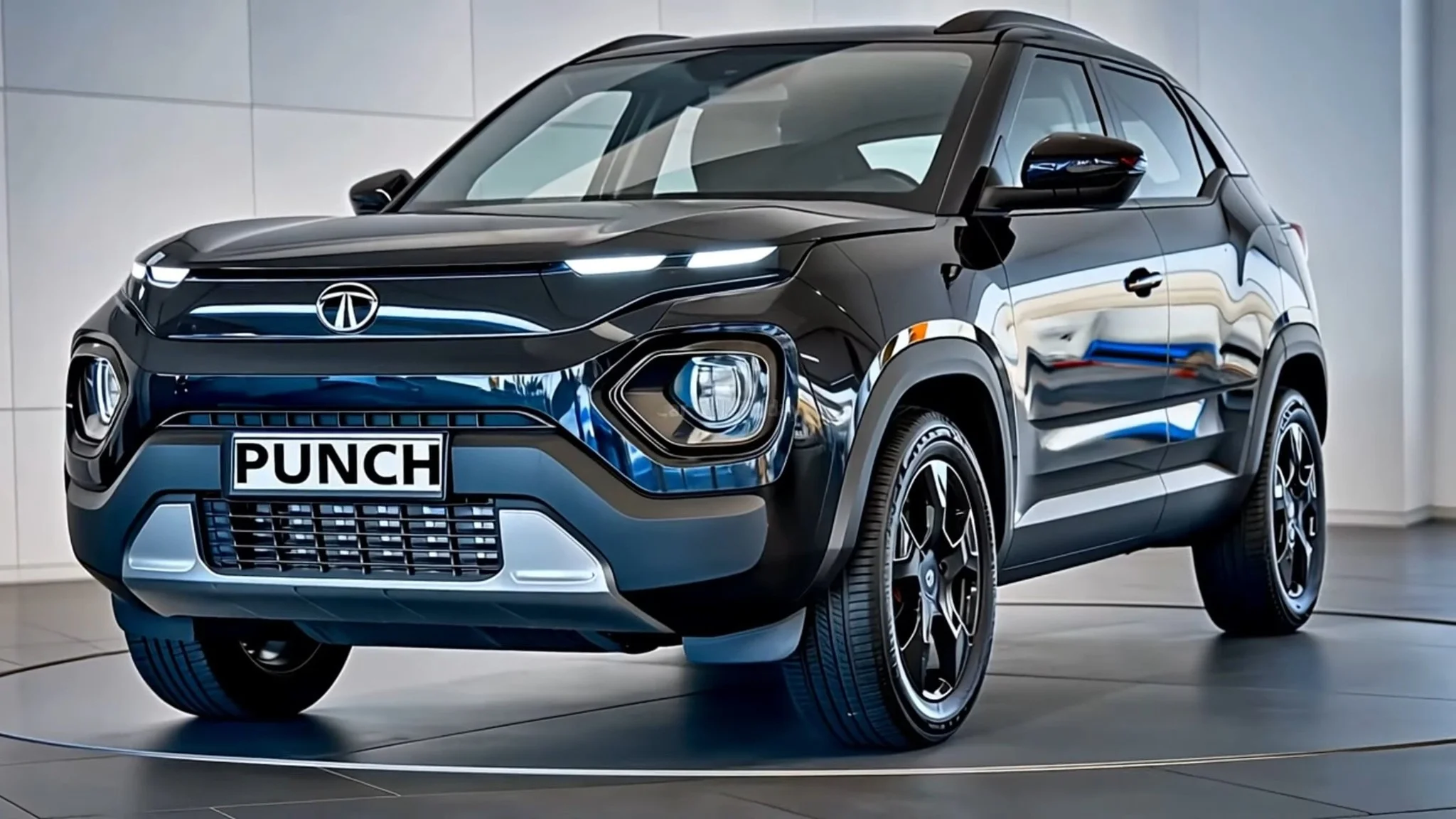

When Tata Motors rolled out the Punch back in October 2021, few could’ve predicted it would become the company’s breakout star. Fast-forward three years, and the compact SUV isn’t just a best-seller—it’s the brand’s heartbeat. Now, with competition tightening and EVs reshaping the small-SUV landscape, Tata’s prepping a facelift to keep the Punch fresh and feisty for a few more years.
A Familiar Face, Sharper Attitude
Fresh spy shots from the misty slopes of Munnar, Kerala, show the Punch facelift undergoing high-altitude testing. What’s immediately clear? Tata isn’t reinventing the wheel—but it’s definitely polishing the rims. The updated front end carries over the signature split headlamp layout, but the detailing looks cleaner, more premium.
Like its electric cousin, the Punch.ev, the refreshed model swaps halogens for LED projectors, with both low- and high-beam functions. The lighting cluster now sits in vertical housings that lend a slightly tougher, more upright stance. The grille—both upper and lower—features horizontal slats, giving it that broad, confident grin you’d expect from a car built for India’s unpredictable roads.
The front bumper has been reworked too, featuring crisper lines and subtle body sculpting. The bonnet remains muscular, with twin raised sections on each side, preserving that mini-SUV ruggedness. On the sides, expect a new set of 16-inch alloys—likely dual-tone—to give it a more upmarket vibe. Around back, the story’s similar: mildly tweaked combination lamps, a neater bumper, and possibly a new pattern for the tailgate garnish.
Interiors: Same Comfort, More Tech
Inside, Tata seems to have borrowed cues from its newer siblings like the Nexon facelift and Punch.ev. Spy shots show a new two-spoke, flat-bottom steering wheel—complete with an illuminated Tata logo, which has quietly become a design signature for the brand’s latest models.

The dashboard layout looks familiar, anchored by the large 10.25-inch touchscreen infotainment system. The system should continue supporting Android Auto and Apple CarPlay, though wireless connectivity might be standard this time around. The Punch facelift could also bring in long-overdue creature comforts such as ventilated front seats, a 360º camera, and a blind-spot monitoring system—features that were once reserved for pricier segments.
Expect cabin materials to feel slightly more premium, with soft-touch inserts or new upholstery textures. Given the Punch’s target audience—urban, young, and style-conscious—Tata’s likely betting on visual freshness and gadgetry rather than radical redesigns.
No Mechanical Surprises, Just Refinement
Under the hood, Tata seems content to stick with what works. The 1.2-litre, three-cylinder Revotron petrol engine continues to do duty, producing 87 hp and 115 Nm of torque in petrol mode. The bi-fuel (petrol-CNG) option remains on offer, albeit with slightly lower output—72 hp and 103 Nm when running on CNG.
The big mechanical update could come in transmission flexibility. Sources suggest Tata might extend the AMT (automated manual transmission) option to the CNG variant, a move that could attract urban commuters seeking low running costs with the convenience of two pedals. It’s a small tweak, but one that could make a big difference in everyday usability.

Here’s a quick snapshot of the powertrain details:
| Engine Type | Fuel Type | Power Output | Torque | Transmission Options |
|---|---|---|---|---|
| 1.2L Revotron | Petrol | 87 hp (64.6 kW) | 115 Nm | 5MT / 5AMT |
| 1.2L Revotron | CNG | 72 hp (54 kW) | 103 Nm | 5MT / 5AMT (expected) |
Pricing and Rivals
Expect the facelifted Tata Punch to carry a modest premium over the current model, which starts at INR 5.49 lakh (ex-showroom). With the added features and styling updates, the refreshed lineup could start closer to INR 5.7–5.8 lakh, with top variants inching towards the INR 9 lakh mark.
Its chief rivals remain the same: Hyundai Exter and Maruti Suzuki Ignis, both of which play in the same “urban micro-SUV” space. The Exter, launched in 2023, set a high benchmark for tech and safety, while the Ignis continues to woo city buyers with Maruti’s service network and quirky charm. The Punch facelift, with its broader appeal and solid brand trust, will look to retain leadership in this competitive trio.
What It Means for Tata Motors
This facelift isn’t just about keeping the Punch visually relevant—it’s about maintaining momentum. With EVs like the Punch.ev and Nexon.ev grabbing headlines, Tata still needs its ICE portfolio to pull weight in volumes. A mild refresh gives it breathing room before the next major generation shift.

Tata’s strategy is smartly evolutionary, not revolutionary. The company’s playing to its strengths: familiar design language, feature-rich interiors, and a safety-first reputation (the Punch holds a solid Global NCAP rating). Add in new-age features like a 360º camera, and it’s clear Tata wants the Punch to feel like a “new car” without needing a full redesign.
Wrap-Up
The Tata Punch facelift looks poised to continue where its predecessor left off—leading the pack in style, practicality, and value. It’s not a radical makeover, but it’s exactly the kind of thoughtful update Indian buyers appreciate: better lights, sharper looks, and more tech without straying too far from the formula that made it a bestseller.
When it hits showrooms, likely in early 2025, don’t be surprised if the refreshed Punch once again dominates the compact SUV charts—proof that sometimes, you don’t need to reinvent success; just keep it polished.
FAQs
It’s expected to launch in early 2025, likely around the first quarter of the year.

No, Tata has discontinued diesel options in small cars. The facelift will continue with the 1.2L petrol and petrol-CNG engines.
Likely additions include LED headlights, ventilated seats, 360º camera, blind-spot monitoring, and new alloy designs.
While the platform remains the same, added tech like blind-spot monitoring and a 360º camera could enhance overall safety.
The key competitors are the Hyundai Exter, Maruti Suzuki Ignis, and the Citroen C3 in the compact SUV segment.
