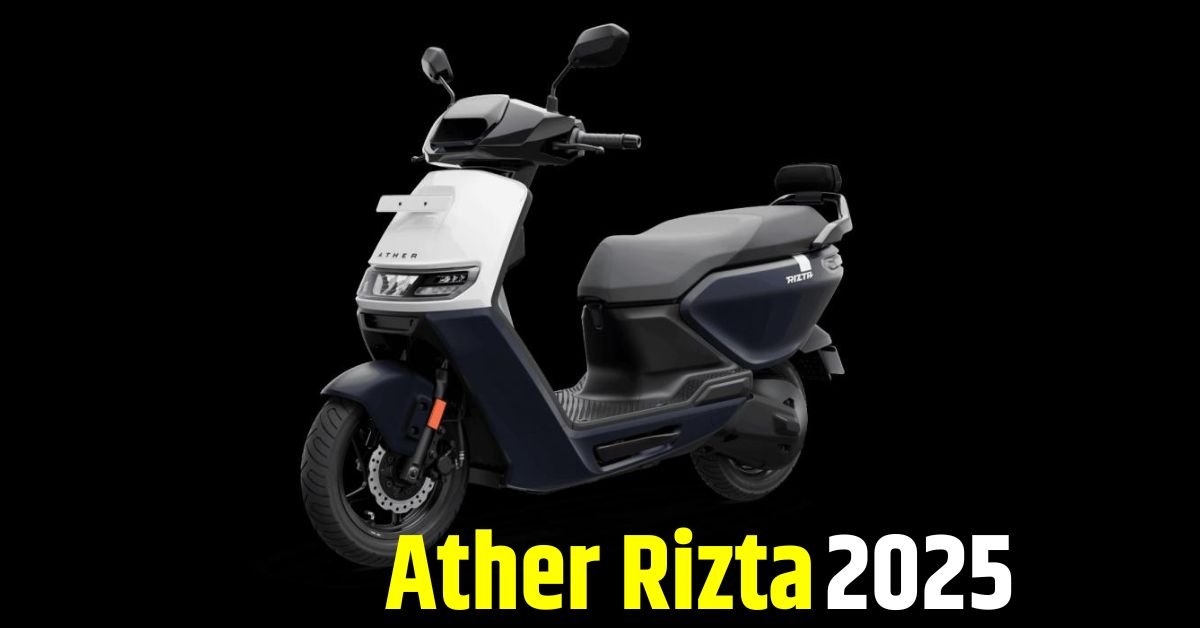

When Ather Energy first teased the Rizta 2025, nobody quite expected it to be this… home-friendly. Known for zippy, tech-savvy scooters like the 450X, Ather is now steering in a new direction—one that’s less about racing the next traffic light and more about making the everyday commute smoother, roomier, and surprisingly comforting. The Rizta is not trying to be flashy; it’s trying to be family. And that’s a refreshing change in India’s EV landscape.
Design and Style
Let’s start with the look. The Ather Rizta 2025 ditches the sharp, sporty stance of its predecessors for a more laid-back, practical design. The lines are still modern, but softer. The broad, well-padded seat means no more awkward squishing when there’s a pillion or a child seat in the back. And that flat floorboard? Perfect for carrying grocery bags or your kid’s school backpack without juggling for balance.
The LED headlamps add a neat futuristic vibe, while the dual-tone paint options give it a premium yet approachable appearance. It’s almost like Ather borrowed cues from classic family scooters like the Honda Activa but added a tech-driven twist. Even the handlebar and mirrors feel more ergonomically tuned for city maneuvering rather than aggressive cornering.
Battery and Performance
Underneath that family-first body sits a 3.7 kWh battery pack—solid enough to deliver up to 160 km on a single charge. That’s more than what most urban riders cover in a week. The scooter supports fast charging, hitting 50% juice in under two hours, making it a good fit for people who don’t want to plan their lives around a charging socket.
Power comes from a 6.4 kW motor, offering just the right mix of pep and smoothness. Ather has always nailed throttle response, and if the early specs are anything to go by, the Rizta should deliver that familiar silent surge when you twist the wrist—perfect for weaving through Bengaluru’s chaotic traffic or coasting quietly through residential lanes.

And for those who love a bit of gadgetry, Ather has thrown in a 7-inch touchscreen infotainment display with Bluetooth connectivity, GPS navigation, and ride analytics. Imagine checking your last trip’s energy consumption or switching modes with a tap—this is the kind of tech once seen only in cars. The USB ports and spacious under-seat storage add to its everyday practicality.
Comfort and Ride Quality
No one likes a scooter that feels like a pogo stick over bumps, and thankfully, Ather seems to have learned from experience. The suspension setup on the Rizta has been tuned for stability and comfort rather than sportiness. It’s meant to soak up those familiar Indian road undulations and keep your back (and your passenger’s) happy.
The wide seat and ergonomic design mean long city rides won’t leave you sore. Combine that with a refined motor and minimal vibrations, and you’ve got yourself one of the most commuter-friendly EVs around.
Safety and Reliability
Here’s where Ather’s engineering DNA really shows. The Rizta 2025 features disc brakes at both ends, combined braking system (CBS), and likely customizable riding modes for different conditions. Whether it’s wet monsoon roads or dry tarmac, the scooter’s balance and braking efficiency are expected to hold up well.

Battery reliability has always been Ather’s strong suit, with their thermal management systems ensuring longevity even under India’s harsh climate. Plus, with years of data gathered from the 450 series, Ather knows what parts of the EV ecosystem need the most attention—expect better predictive maintenance alerts and system diagnostics.
Pricing and Market Position
Now, the big question—what’s it going to cost? The Ather Rizta 2025 is expected to start around ₹1.10 lakh (ex-showroom) for the base model, with the top variant touching ₹1.40 lakh. That positions it squarely against the Ola S1 Air and TVS iQube, both strong contenders in the family EV category. But Ather’s build quality and software edge might just tip the scales in its favor.
Here’s a quick look at how it stacks up:
| Feature | Ather Rizta 2025 | Ola S1 Air | TVS iQube |
|---|---|---|---|
| Battery Capacity | 3.7 kWh | 3 kWh | 3.04 kWh |
| Range (claimed) | 160 km | 125 km | 145 km |
| Charging (50%) | <2 hours | ~2.5 hours | ~2 hours |
| Display | 7-inch touchscreen | 7-inch | 5-inch TFT |
| Price Range | ₹1.10–₹1.40 lakh | ₹1.05–₹1.25 lakh | ₹1.10–₹1.35 lakh |
Clearly, Ather’s betting on quality and smart tech rather than just the price war.

Verdict
The Ather Rizta 2025 isn’t built to thrill speed junkies—it’s built for real people. The ones who juggle work, school drop-offs, market runs, and the occasional weekend outing. It’s clean, quiet, efficient, and finally, it feels like an electric scooter designed with Indian families in mind.
If you’ve been holding off on buying an EV because they felt too “young” or too “futuristic,” this could be your sweet spot. Ather seems to have cracked the formula between comfort, practicality, and tech—without losing the brand’s premium DNA.
All in all, the Rizta might just spark a new chapter in India’s EV story—one where electric scooters stop being niche toys and start becoming true household staples.
FAQs
The Rizta is expected to launch in mid-2025, with deliveries starting later in the year across major Indian cities.

A full charge may take around 4 to 5 hours using a standard charger, while fast charging can deliver 50% power in under 2 hours.
Yes, it comes with a 7-inch touchscreen that supports Bluetooth, navigation, and app-based vehicle monitoring.
Two dual-tone color variants have been teased, though Ather is expected to offer more at launch.
While primarily designed for city rides, its 160 km range and comfortable ergonomics make it capable of short intercity trips too.
