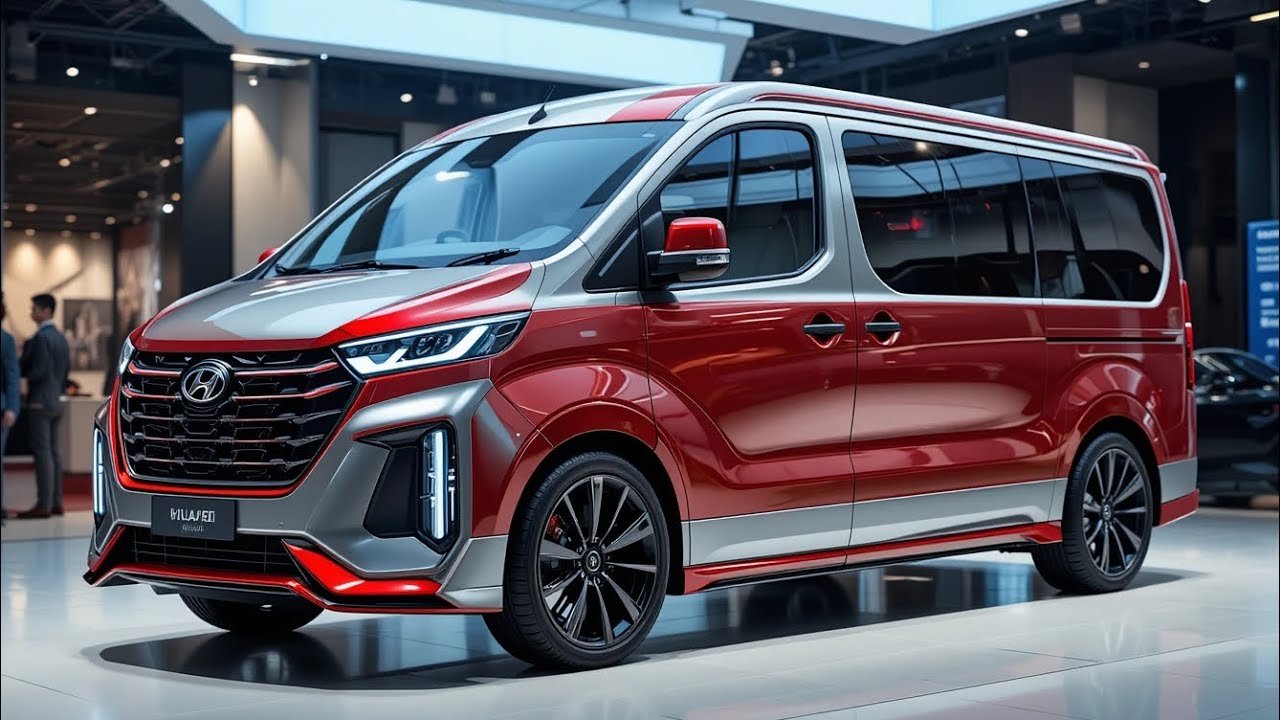

The 2026 Hyundai H350 Camper This thing brings five-star living to the asphalt. Think smart home features, plush interiors, sleek design, and all the adventure-ready muscle you’d want under the hood. Starting in the $85K–$100K range, it’s clearly aiming at the top shelf of van life, and honestly? It might just belong there.
2026 Hyundai H350 Camper Price: Is It Worth the Hype?
Luxury doesn’t come cheap, and Hyundai’s not pretending otherwise. The H350 Camper is expected to start between $85,000 and $100,000, depending on configuration. That puts it in direct competition with names like Winnebago and Airstream’s Class B models. But here’s where Hyundai plays its trump card: premium features, Korean engineering reliability, and smart tech integration—without the overinflated markup.
Whether it’s solo explorers, digital nomads, or families looking to road-school the kids across the Rockies, the H350 offers a compelling blend of utility and indulgence. For buyers who’ve grown tired of boxy, outdated RV designs, this one’s refreshingly forward-looking.
Exterior Design: Modern Looks with Practical Purpose
Hyundai didn’t just slap a camper shell on a cargo van and call it a day. The 2026 H350 Camper is sleek, aerodynamic, and more SUV-chic than RV-brick. Its curved edges, streamlined profile, and signature LED lighting give it the curb appeal of a premium vehicle—but it’s built to take a beating.
Panoramic side windows flood the interior with light, retractable awnings create shady outdoor zones, and integrated exterior storage compartments swallow up hiking gear, grills, and fold-up furniture. You can spec it with roof-mounted solar panels, rugged tires, and a roof rack, too—great for those who like their roads unpaved and unmarked.
Interior Comfort: A Five-Star Hotel on Wheels
If you’ve ever stepped into a camper van and felt like you were walking into your grandma’s 1992 basement, the H350 will be a shock—in a good way.

It’s modular, smartly laid out, and downright beautiful inside. Premium materials—think leather-wrapped trim, soft-touch fabrics, and high-grade wood veneers—bring that luxe lounge feel. The kitchenette is full-service, with an induction cooktop, compact fridge, stainless steel sink, and organized food storage. Meals on the road don’t have to be ramen and PB&Js anymore.
The convertible sleeping space includes a memory-foam mattress setup that sleeps two comfortably, plus optional bunk storage for a third sleeper (or an overlanding dog, depending on your priorities). LED ambient lighting, black-out shades, and full climate control create a relaxing environment whether you’re parked in the Mojave or a Walmart lot.
Smart Home on Wheels
This is where the H350 really flexes. Most vans give you a few toggles and maybe an old-school control panel. Hyundai throws in a centralized touchscreen system and mobile app integration for controlling everything from cabin lights to cabin temp—even when you’re outside roasting marshmallows.
Need to monitor your battery or water tank while off-grid? Done. Want to stream your Spotify playlist through a built-in surround system? Easy. Hyundai’s smart energy management system even juggles solar input, shore power, and battery draw to maximize efficiency without lifting a finger.
Oh, and it’s got built-in Wi-Fi—because working remotely from the Grand Canyon is no longer a dream, it’s the new normal.

Engine, Performance and Driving Experience
Let’s talk road feel. The H350 isn’t a sports car, but for a Class B+ van, it handles surprisingly well. Hyundai’s turbo-diesel engine (likely a 2.5L or 3.0L variant, depending on region) pulls strong and steady, even when fully loaded. Paired with an 8-speed automatic transmission, it delivers smooth, relaxed cruising.
The chassis is reinforced for camper loads, and the suspension is tuned for comfort, not stiffness. Long drives feel like less of a chore, especially with adaptive cruise control, lane-keeping assist, parking sensors, and even semi-autonomous drive features.
It’s not just about power; it’s about ease. Drivers unfamiliar with large vans will appreciate how approachable it feels. You won’t need a special license—or nerves of steel—to pilot this thing.
Built for Real Travel, Not Just Parking Lots
While the H350 nails the luxury checklist, it’s not afraid to get its tires dirty. Optional off-road upgrades (including all-terrain tires, raised suspension, and underbody protection) make it a legit backcountry rig. Ground clearance is respectable, and maneuverability is way better than a traditional Class C motorhome.
It’s also compact enough to fit in most standard parking spaces, which is a huge plus for city travel or stealth camping. You can use it as a daily driver if you really wanted to, though most will keep it for extended getaways.

Whether you’re winding up the Pacific Coast Highway or camped out near Joshua Tree, the H350 makes sure the journey and destination are equally rewarding.
Who’s It For?
The Hyundai H350 Camper is aimed at buyers who want it all: modern tech, comfort, flexibility, and off-grid capability—without having to choose between rugged functionality and high-end design.
Ideal for:
- Couples or small families
- Full-time vanlifers
- Remote workers on the move
- Retirees chasing warmth and wine trails
- Adventure junkies who want to relax after the hike
If you’ve got the budget and the desire to travel on your terms, the H350 checks a lot of boxes—and adds a few new ones we didn’t know we needed.
The 2026 Hyundai H350 Camper is not just another motorhome it’s a vision of what van life should be: smarter, smoother, and significantly more stylish. With a price tag that matches its ambitions, this van serves up high-tech convenience, luxury comforts, and rugged utility in one handsome package.

It’s proof that Hyundai isn’t just testing the waters in the camper van space—they’re making waves. For those who crave the open road but refuse to rough it, the H350 might just be the ultimate basecamp.
FAQs
Hyundai is expected to launch the H350 Camper in select global markets by late 2025 or early 2026, with U.S. availability likely in mid-2026.
Yes. With optional solar panels, auxiliary batteries, and a smart energy system, it’s well-equipped for off-grid travel.
Absolutely. Its modular interior, climate control, and smart connectivity make it viable for long-term or full-time van life.
Fuel economy estimates haven’t been officially released, but diesel variants are expected to deliver 18–22 MPG depending on load and driving conditions.
Yes. Buyers can choose from several layouts, tech packages, and add-ons, including off-road kits, upgraded interiors, and solar power systems.
