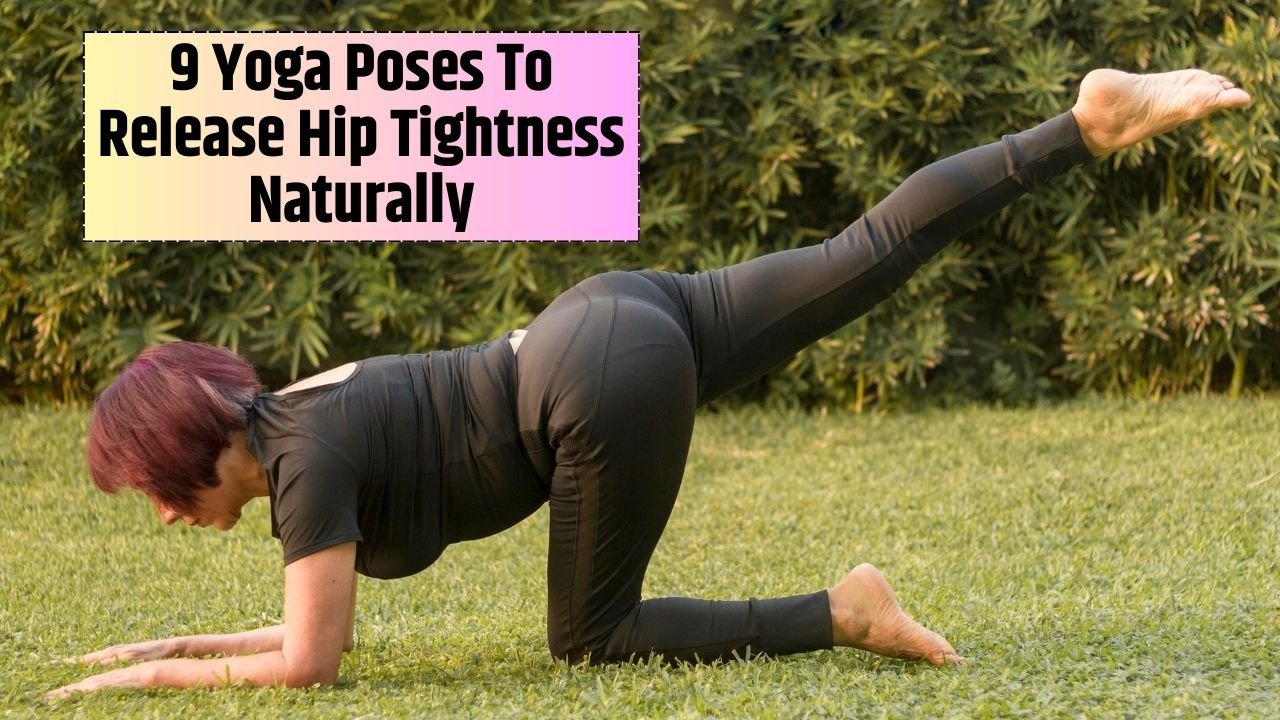

Hip stiffness doesn’t exactly show up with a warning sign. One day you’re tying your shoes without a second thought, and the next, it feels like your pelvis is stuck in cement. Blame it on long hours of sitting, skipped mobility work, stress that settles in your joints, or pushing too hard in workouts without enough recovery.
The hips—being the central hinge of your body can either help you move with ease or make every step feel like a chore. And when they tighten up, it’s not just your range of motion that takes a hit. Your posture, lower back, knees, and even your energy levels can suffer.
But here’s the real kicker: you don’t need intense yoga flows or advanced flexibility to restore mobility. These nine gentle yoga poses are designed to meet you where you are—whether you’re a desk warrior, a weekend runner, or just someone who wants to move without wincing.
Let’s get into the good stuff.
1. Supine Knee-to-Chest Pose (Apanasana)
Why it works:
This pose is like a soft reset for your lower body. By lying on your back and gently pulling one knee into your chest, you invite the hips to release without gravity pressing down. It’s especially good if you’ve been standing or sitting for long periods.
How to do it:
- Lie on your back
- Bring one knee toward your chest
- Keep the other leg extended or bent with the foot on the floor
- Hold and breathe for 30–60 seconds per side
Best time to try: After a long day or first thing in the morning to ease into movement.
2. Supine Figure Four Stretch
Why it works:
This stretch goes deep into the piriformis and outer hip—both common culprits in hip tightness and even sciatic nerve discomfort. And because you’re on your back, it feels supportive, not stressful.
How to do it:
- Lie down and cross your right ankle over your left thigh
- Thread your hands behind your left thigh and gently pull it toward you
- Keep your head and shoulders relaxed
Pro tip: Keep your bottom foot flexed to protect the knee.
3. Reclined Bound Angle Pose (Supta Baddha Konasana)
Why it works:
This pose is passive but powerful. It opens the inner thighs and groin, areas that often go tight from stress and lack of movement. When supported with props, it doubles as a restorative pose that calms the nervous system.
How to do it:
- Lie on your back
- Bring the soles of your feet together and let your knees fall open
- Place pillows or yoga blocks under the knees for support
- Rest your arms by your side or on your belly
Bonus: Add a folded blanket under your head and neck to make it cozier.
4. Seated Butterfly Pose (Baddha Konasana)
Why it works:
A classic hip opener that gently targets the groin and hip joints. The key here is ease—not trying to press your knees down or round your back.
How to do it:
- Sit tall with soles of your feet together
- Hold your feet with your hands
- Allow your knees to fall open naturally
- Keep your spine straight and breathe deeply
Modification: Sit on a folded blanket if your hips feel tight.
5. Child’s Pose with Wide Knees (Balasana Variation)
Why it works:
This calming posture stretches the lower back, hips, and thighs, all while grounding your mind. The wide-knee variation creates space in the hip sockets.
How to do it:
- Start on your hands and knees
- Bring big toes to touch and spread knees wide
- Sit back onto your heels and fold forward
- Rest your forehead on the mat or a block
Relaxation bonus: Let your belly drop between your thighs for deeper release.
6. Low Lunge with Support (Anjaneyasana – Gentle)
Why it works:
Tight hip flexors are a side effect of modern life. This gentle lunge opens up the front of the hips, especially the psoas, without strain.
How to do it:
- Step one foot forward into a low lunge
- Drop your back knee to the floor (use a blanket under the knee)
- Keep your chest lifted and hands on the front thigh or blocks
Important: Don’t over-arch your back—engage your core lightly to stabilize.
7. Happy Baby Pose (Ananda Balasana)
Why it works:
A playful pose that loosens the hip joints, relaxes the spine, and reduces tension in the lower body. Bonus: it’s also a gentle lower-back massage.
How to do it:
- Lie on your back
- Bend your knees and grab the outsides of your feet
- Gently pull your knees toward your armpits
- Keep your tailbone on the floor
Optional: Rock side to side for a deeper release.
8. Seated Forward Fold with Bent Knees
Why it works:
This one is often misunderstood. With knees bent, it becomes less about the hamstrings and more about easing into hip flexion—especially useful if your hips lock up during forward movement.
How to do it:
- Sit with legs extended and knees bent
- Inhale, lengthen the spine
- Exhale, fold forward and rest your arms wherever comfortable
Tip: Let your back round slightly and relax your neck.
9. Gentle Pigeon Pose (Supported)
Why it works:
Pigeon is famous for a reason—it targets deep hip rotators like no other. But instead of forcing the stretch, support your body so it can relax into it, not resist.
How to do it:
- From hands and knees, bring your right knee toward your right wrist
- Extend your left leg behind you
- Use a block or cushion under your right hip
- Fold forward and rest your forehead on your arms or a block
Caution: If you have knee issues, skip this pose or try Figure Four instead.
You don’t need to be flexible, fit, or experienced to relieve hip stiffness—you just need to start. These gentle yoga poses work with your body, not against it. They allow space for the muscles to soften, joints to decompress, and blood flow to return—without strain or over-effort.
Whether you’re rehabbing stiffness, countering a sedentary lifestyle, or just want to feel less stuck, these poses are simple tools that offer real results over time. Do them consistently. Breathe deeply. Trust the process.
It’s not about touching your toes. It’s about feeling better in your body.
FAQs
4–5 times per week is ideal, but even daily practice is safe and beneficial.
Yes. These poses are beginner-friendly and can be modified with blocks, cushions, or blankets for added comfort.
Hold each for 30 seconds to 1 minute, focusing on slow, relaxed breathing. Longer holds can be more effective if comfortable.
A gentle stretch is normal, but sharp pain is not. Always back off if something feels wrong.
Yes, with consistency. Yoga improves joint mobility, muscle elasticity, and circulation—all key to reversing chronic stiffness.
