

Losing belly fat isn’t about chasing fads or starving yourself into a smaller waistline. It’s about building steady, sustainable habits like improving your posture, activating your core, breathing more deeply, and yes, managing stress (because let’s be honest, belly fat has as much to do with cortisol as it does with calories). Yoga may not torch fat like a bootcamp class, but it works from the inside out—balancing hormones, strengthening muscles, improving digestion, and shifting your mindset.
These eight yoga poses are more than just stretches—they’re low-impact tools to help tone your midsection, support fat loss, and most importantly, get your body working with you instead of against you.
Why Belly Fat Is So Stubborn
A little belly fat is natural—but when it builds up, especially around the visceral organs, it’s often a sign of stress overload, a sedentary routine, or hormonal imbalance. That stubborn pooch isn’t just about aesthetics—it can affect energy levels, digestion, and even long-term metabolic health.
Here’s how yoga helps:
| Problem | How Yoga Helps |
|---|---|
| High cortisol (stress hormone) | Reduces stress through breath + mindfulness |
| Weak core muscles | Builds strength with controlled movements |
| Poor digestion or bloating | Stimulates organs + improves circulation |
| Lack of movement | Encourages regular, low-impact activity |
| Emotional eating | Cultivates body awareness and mindfulness |
Now, let’s dive into the poses that gently but effectively target the belly area—without exhausting or injuring your body.
1. Plank Pose
Why it works: This is your full-body, no-nonsense core strengthener. Holding a strong plank activates the abdominals, glutes, shoulders, and back—creating the foundation for a tighter torso.
How to do it:
- Start in a push-up position, shoulders over wrists.
- Keep your body in a straight line from head to heels.
- Engage your core and avoid sagging or lifting your hips.
- Hold for 20–45 seconds, working up to longer holds over time.
Pro tip: Drop to your knees if needed. It’s still effective.
2. Boat Pose
Why it works: Few poses fire up the abs like Boat. You’re balancing on your sit bones, lifting your legs, and using nothing but your core to stay upright. It tones both upper and lower abdominals.
How to do it:
- Sit with knees bent, feet on the floor.
- Lean back slightly and lift feet off the ground, shins parallel to floor.
- Extend arms forward and try to straighten legs (or keep them bent).
- Engage your abs and hold for 20–30 seconds.
Too hard? Keep your hands behind you for support or hold under your thighs.
3. Downward-Facing Dog
Why it works: While this pose is known for stretching, it also builds strength and improves circulation. It gently engages the core, boosts blood flow to the organs, and revs up metabolism.
How to do it:
- From all fours, tuck your toes and lift your hips into an inverted V.
- Press heels toward the mat (bent knees are fine).
- Engage your core and push through your palms.
- Hold for 30–60 seconds, breathing deeply.
Bonus: It also resets posture and reduces tension in the lower back.
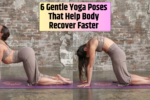
4. Cobra Pose
Why it works: This heart-opening backbend strengthens the spinal muscles and gently tones the core by stretching the abdominal area. It’s also great for stimulating digestion.
How to do it:
- Lie on your stomach, hands under shoulders.
- Inhale and lift your chest, keeping elbows close to the body.
- Engage your glutes and gently draw belly in.
- Hold for 15–30 seconds.
Avoid overextending—lift only as high as feels comfortable.
5. Bow Pose
Why it works: This is a full-on abdominal workout disguised as a backbend. Bow Pose stretches the front body, activates the abs, and massages the internal organs—all of which help digestion and fat metabolism.
How to do it:
- Lie face down, bend your knees, and reach for your ankles.
- Inhale and lift your chest and thighs off the floor.
- Press ankles into hands and hold the lift.
- Stay for 20–30 seconds, breathing steadily.
Too much? Try Half Bow by lifting one leg at a time.
6. Warrior II
Why it works: This standing pose works your core, legs, and hips all at once. Holding Warrior II builds endurance and promotes calorie burn while improving your posture—a sneaky way to make your midsection look more toned.
How to do it:
- Step one foot forward, bend the front knee, and extend arms out.
- Keep your torso tall and your core engaged.
- Gaze over the front hand and hold for 30–60 seconds per side.
Tip: Engage the belly actively to avoid leaning or arching your back.
7. Seated Forward Bend
Why it works: This calming pose stretches the spine and massages the abdomen. The gentle compression helps improve digestion and reduce bloating—key for a flatter stomach.
How to do it:
- Sit with legs extended in front.
- Inhale to lengthen the spine.
- Exhale and fold forward, reaching for your feet or shins.
- Let your head relax and breathe deeply for 1–2 minutes.
Use a strap or bend your knees to make it accessible.
8. Cat-Cow Pose
Why it works: This gentle flow warms up the spine and massages the belly organs. It’s also a great way to start or end your practice, helping reduce tension and support healthy metabolism.
How to do it:
- Start on all fours.
- Inhale, drop your belly and lift your head (Cow).
- Exhale, round your back and tuck your chin (Cat).
- Repeat for 10–15 rounds with slow, controlled breath.
Yoga isn’t a magic bullet for belly fat—but it is a powerful catalyst for transformation. The real magic comes from consistency, awareness, and breath. These eight poses, when practiced regularly and mindfully, help build core strength, activate metabolism, reduce cortisol, and encourage a healthier relationship with your body.
Pair your yoga practice with simple, nourishing meals, daily movement, proper hydration, and quality sleep—and you’ll start to notice more than just a flatter belly. You’ll feel lighter, stronger, and more balanced in every area of life.
FAQs
Results vary, but with consistent practice (4–5 times per week) and a healthy lifestyle, visible results may show in a few weeks.
Yes, all poses can be modified. Focus on form and breath, not depth or duration.
Ideally 4–5 sessions per week. Even 20-minute sessions can be effective when done consistently.
It helps but results improve when combined with mindful eating, walking, and stress management.
Some people find morning, fasted sessions helpful, but the best time is when you feel most energized and consistent.
