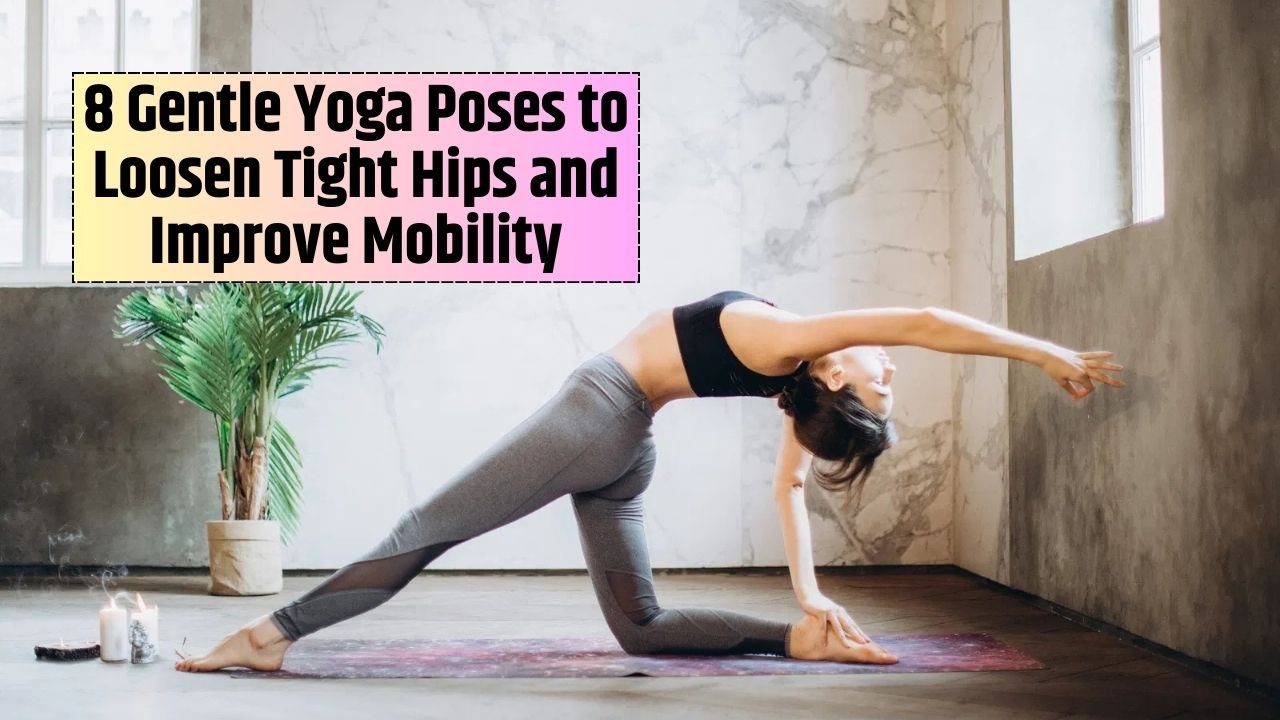

Long hours at a desk, intense workouts, or even just the daily grind your hips take a beating. And chances are, you don’t even notice how tight they are until you try to touch your toes or sit cross-legged for more than five minutes. Hip stiffness isn’t just uncomfortable—it’s a ripple effect kind of problem. It throws off your posture, stresses your lower back, and can even mess with your knees. But the good news? You don’t need to twist into a pretzel or go full yogi to fix it. Just a few mindful, well-targeted stretches can work wonders.
Why Do Tight Hips Matter So Much?
Your hips are the hinge between your upper and lower body. When they get tight—which happens fast if you’re parked at a desk all day—everything else has to compensate. That compensation usually shows up as lower back pain, sore hamstrings, or cranky knees. Worse, it limits your ability to move freely and comfortably in everyday life.
Hip flexors (the muscles at the front of your hips) are especially prone to shortening. But it’s not just about sitting too much. Stress, poor posture, and even intense fitness routines can all lead to locked-up hips. That’s where yoga comes in—offering not just a physical stretch but a chance to unwind emotionally and neurologically, too.
Let’s walk through eight yoga poses that gently but effectively unlock your hips.
1. Child’s Pose (Balasana)
You don’t need to go deep into this pose for it to work. The magic is in the stillness. Child’s Pose eases tension across the hips, thighs, and lower back while grounding your nervous system. Think of it as a “reset” for both body and mind.
How to do it:
- Kneel with your knees wide and big toes touching.
- Fold forward, arms extended or by your sides.
- Let your forehead rest on the mat.
Breathe here for at least a minute. Let gravity do the work.
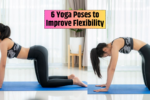
2. Cat-Cow Stretch (Marjaryasana-Bitilasana)
While not a deep hip opener, Cat-Cow is excellent for gently warming up the spine and hips. It’s dynamic, so it loosens up stiffness and helps improve mobility through rhythmic movement.
How to do it:
- Start on all fours with hands under shoulders, knees under hips.
- Inhale, arch your back (Cow), lift your chest and tailbone.
- Exhale, round your spine (Cat), tucking your chin and pelvis.
Repeat slowly for 6–10 breaths.
3. Low Lunge (Anjaneyasana)
This one hits where it hurts—in a good way. The Low Lunge stretches the hip flexors and thighs, countering hours of sitting. It also helps align the pelvis, relieving pressure on the lower back.
How to do it:
- From all fours, step one foot forward into a lunge.
- Lower your back knee and gently press your hips forward.
- Keep your chest lifted and your breath steady.
Hold for 30 seconds to a minute on each side.
4. Butterfly Stretch (Baddha Konasana)
This pose targets the inner thighs and groin—areas often overlooked but crucial for full hip mobility. It’s gentle and easy to modify, making it accessible for almost anyone.
How to do it:
- Sit on the floor, bring the soles of your feet together.
- Let your knees drop to the sides.
- Sit tall or fold forward slowly, keeping your spine long.
Support your knees with blocks or pillows if needed.
5. Supine Figure Four Stretch
A reclined variation of the classic pigeon pose, this stretch targets the outer hips and glutes without stressing the knees or back. It’s ideal if you have trouble with floor poses or want something restorative.
How to do it:
- Lie on your back, knees bent.
- Cross your right ankle over your left thigh.
- Thread your hands behind your left thigh and gently pull it toward you.
Hold for 30–60 seconds, then switch sides.
6. Seated Forward Bend (Paschimottanasana)
While primarily a hamstring stretch, this pose also relieves tension in the lower back and hips. Folding forward helps release deep-seated tightness while calming the mind.
How to do it:
- Sit with legs extended in front.
- Inhale to lengthen the spine, exhale to fold forward.
- Keep your back straight and knees slightly bent if needed.
Stay for 1–2 minutes, breathing deeply.
7. Reclining Spinal Twist (Supta Matsyendrasana)
This gentle twist improves hip and spine alignment, eases stiffness, and aids digestion. It also resets the body after a long day of sitting or standing.
How to do it:
- Lie on your back, knees bent.
- Drop both knees to one side while turning your head to the opposite side.
- Keep your shoulders grounded.
Hold for 30 seconds, then switch sides.
8. Legs Up the Wall (Viparita Karani)
This passive pose is a favorite among yogis for a reason—it’s deeply calming and great for reducing inflammation and muscle fatigue. It also gently stretches the hamstrings and decompresses the lower body.
How to do it:
- Sit sideways against a wall, then swing your legs up.
- Lie back and adjust your hips close to the wall.
- Let your arms rest by your sides.
Stay for 5–10 minutes for a full reset.
Why These Poses Work
All eight of these poses emphasize slow, intentional movement over aggressive stretching. That’s key. For tight hips, forcing a deep stretch can backfire by triggering muscle guarding or even injury. Instead, these yoga postures gradually teach your body to relax, increasing range of motion safely over time.
They also help retrain your breath and calm your nervous system—two elements often overlooked in flexibility work. When your breath slows, your body follows. That’s when the real release happens.
You don’t need an hour or a perfect yoga flow to see results. Even 10–15 minutes a day of these targeted hip stretches can create real change over time. What matters most is consistency and patience. Tight hips didn’t happen overnight and they won’t loosen up that quickly either. But trust the process.
As you move through these poses, you may notice not just more flexibility, but better posture, less pain, and a clearer, calmer headspace. Because when the hips open up, everything else seems to fall into place.
FAQs
Aim for 4–5 times a week. Even short, consistent sessions will lead to noticeable improvements.
Yes! All the poses are gentle and easily modified with cushions or blocks.
Anywhere from 30 seconds to 2 minutes, depending on your comfort and breath quality.
Not at all. You should feel a gentle stretch never pain. Sharp discomfort means you’re going too far.
In most cases, yes. But listen to your body and consider checking with a healthcare provider if pain persists.
