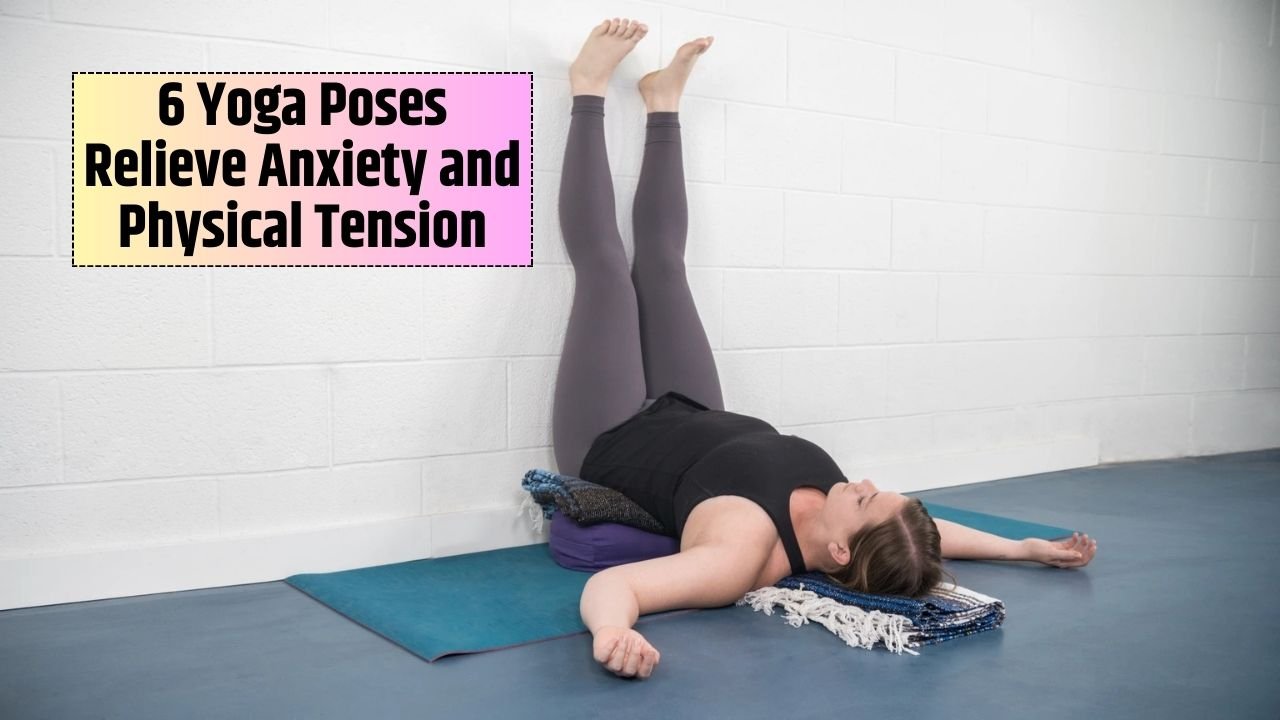

After a long day of screens, schedules, and stress, sleep should be the easy part, right? But for millions of people, it’s anything but. Racing thoughts, tight muscles, restless tossing it’s like your body wants rest, but your mind hits play on a never-ending highlight reel of to-dos and worries.
Here’s the thing: good sleep isn’t just about turning off the lights. It’s about turning off everything else—the noise, the tension, the adrenaline. That’s where yoga comes in. With gentle, deliberate movements and breathwork, yoga offers a natural way to shift your body into “rest mode”—slowing your heart rate, calming your nervous system, and releasing physical tension that might be stealing your sleep.
Let’s break down six yoga poses you can do tonight—yes, tonight—to sleep better and wake up feeling more rested, less wired.
1. Child’s Pose (Balasana)
Start your wind-down with a classic. Child’s Pose helps your body feel safe and supported, making it the perfect cue to let go. It’s a grounding pose that encourages deep breathing and softens the spine, hips, and shoulders—all areas that hold stress.
How to do it:
- Kneel on your mat, big toes touching, knees wide.
- Sit back on your heels and fold forward, resting your forehead on the mat.
- Arms can stretch forward or rest by your sides.
- Breathe deeply for 5–10 breaths.
Why it works:
- Stretches the spine and hips gently
- Encourages diaphragmatic breathing (aka your body’s natural tranquilizer)
- Calms the mind and eases anxiety
This pose alone can lower your heart rate and prepare your brain for sleep.
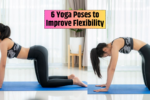
2. Legs Up the Wall (Viparita Karani)
This one’s a fan favorite—and for good reason. Legs Up the Wall is deeply restorative and literally flips your perspective. By elevating your legs, you promote venous return (blood flow back to the heart), which eases tired legs and triggers a parasympathetic response (the rest-and-digest state).
How to do it:
- Sit sideways next to a wall and lie back, swinging your legs up to rest vertically on the wall.
- Scoot your hips as close to the wall as is comfortable.
- Let your arms rest by your sides, palms up.
- Close your eyes and stay here for 5–10 minutes.
Why it works:
- Relieves swelling or fatigue in the lower body
- Slows down your breathing and heart rate
- Eases anxiety and mental overstimulation
No effort required. Just lie there, breathe, and let gravity do the work.
3. Reclining Bound Angle Pose (Supta Baddha Konasana)
Stress loves to hide in your hips. This restorative hip opener gently coaxes tension out of the lower body while encouraging the chest to open for fuller, slower breathing. It’s especially effective for people who feel anxious or “on edge” at night.
How to do it:
- Lie on your back with knees bent and feet on the floor.
- Bring the soles of your feet together and let your knees fall open.
- Place pillows or blocks under each knee if needed.
- Rest your arms by your sides or on your belly.
- Stay here for 5–10 minutes.
Why it works:
- Opens tight hips and groin
- Calms the nervous system through gentle breath
- Creates a sense of emotional release and ease
This is a great pose to transition your body from “doing” to “being.”
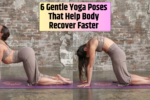
4. Cat-Cow Pose (Marjaryasana-Bitilasana)
This spinal flow is perfect if you’ve been hunched at a desk all day. It brings gentle movement to the spine while syncing breath and body—both key ingredients in preparing your nervous system for deep rest.
How to do it:
- Come to a tabletop position (hands under shoulders, knees under hips).
- Inhale: Drop your belly, lift your chest and gaze (Cow).
- Exhale: Round your spine, tuck your chin (Cat).
- Move slowly through 5–10 rounds.
Why it works:
- Relieves back, neck, and shoulder tension
- Encourages mindful, even breathing
- Activates the vagus nerve (your body’s chill switch)
The slow, rhythmic motion helps regulate breath and calm your entire system.
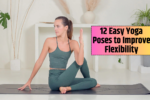
5. Forward Fold (Uttanasana)
If your mind feels like it’s still sprinting through the day, this pose will help you slow down. A forward fold draws your energy inward, encouraging introspection, quiet, and physical release. Plus, letting your head hang naturally calms the brain and soothes the nervous system.
How to do it:
- Stand with feet hip-width apart.
- Inhale to lengthen your spine, exhale to hinge at the hips and fold forward.
- Bend your knees generously. Let your head dangle.
- You can hold opposite elbows or let your hands rest on the floor.
- Hold for 5–10 breaths.
Why it works:
- Relieves tension in the spine and hamstrings
- Increases blood flow to the brain
- Helps quiet mental chatter
This one’s perfect before Savasana—or even solo when you’ve had a long, wired day.
6. Savasana (Corpse Pose)
The king of calm. Savasana may look like you’re just lying there, but it’s actually a deep state of rest where your body processes everything you just did. Think of it as a mini reboot for your nervous system. Do not skip this one—it seals in the benefits of your practice.
How to do it:
- Lie flat on your back with legs extended and arms relaxed by your sides.
- Let your feet flop open naturally.
- Close your eyes and breathe slowly, effortlessly.
- Stay for 5–10 minutes. Use an eye pillow or blanket for extra comfort.
Why it works:
- Brings full-body relaxation
- Shifts you into a deep parasympathetic state
- Reduces stress hormones and slows mental activity
This is the pose where sleep begins—literally and figuratively.
Sleep Isn’t Just About Rest It’s About Recovery
When sleep suffers, everything suffers: mood, focus, digestion, immunity. And unfortunately, chronic stress keeps us wired even when we’re physically exhausted. That’s why relaxing the body isn’t enough—you have to calm the nervous system too.
Yoga, especially when done slowly and intentionally before bed, helps you do exactly that. It creates a nightly ritual where your mind and body can both exhale.
| Common Sleep Disrupter | Yoga Pose Solution |
|---|---|
| Racing thoughts | Savasana, Child’s Pose |
| Tight muscles and tension | Cat-Cow, Forward Fold |
| Restless legs or fatigue | Legs Up the Wall |
| Anxiety or emotional stress | Reclining Bound Angle, Savasana |
Let Yoga Be the Bridge to Better Sleep
You don’t need to be flexible or experienced to benefit from these poses. You just need a quiet corner, a few props (pillows work fine), and the willingness to slow down. Start with 10–15 minutes tonight. Notice how your breath slows, how your body softens, how your mind begins to let go.
Over time, this becomes more than a routine—it becomes a signal to your entire system: It’s safe to rest now.
So dim the lights, silence the phone, unroll the mat, and give your body what it’s asking for. Not just sleep—but peace.
FAQs
About 30 minutes before bed is ideal—right after you’ve wrapped up your evening routine but before you get under the covers.
Some of them, like Legs Up the Wall, Child’s Pose, and Savasana, can be modified for bed. A firm surface is best, but your mattress can work in a pinch.
Not necessarily. A yoga mat, pillows, and a blanket can enhance comfort, but you can make do with whatever you have at home.
Anywhere from 5 to 10 breaths for active poses, and 3–10 minutes for restorative ones like Legs Up the Wall or Savasana.
Yoga can be a powerful tool for managing insomnia, especially when practiced regularly and combined with other sleep hygiene habits.
