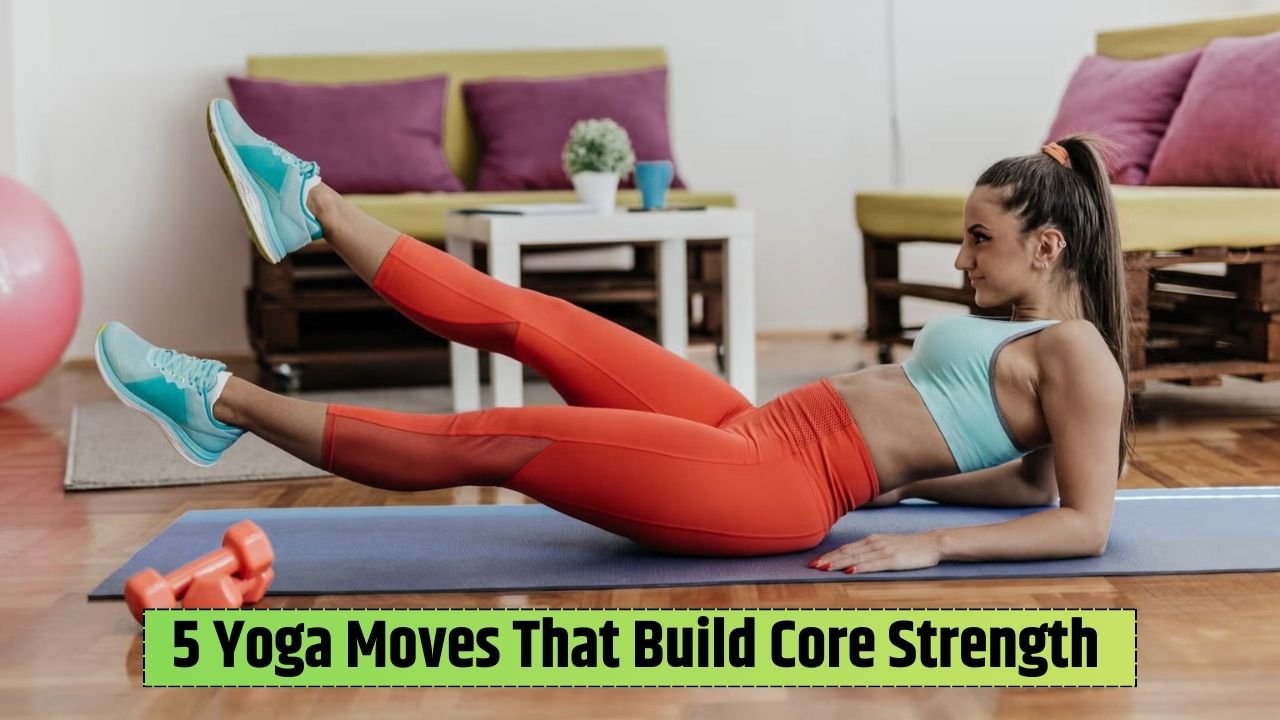

A strong core isn’t just the flashy front of your abs it’s the entire engine room of your body. It’s what keeps your spine steady, your posture tall, and your movements controlled whether you’re sprinting, stretching, or just sitting through another workday slump. And while most gym routines still worship crunches and sit-ups, yoga takes the crown for building real, functional core strength the kind that lasts and actually protects you from injury.
Let’s cut through the hype and get into the Top 5 Yoga Poses for Core Strength that work deeper, smarter, and safer than any ab machine ever could.
Why Yoga Outperforms Crunches for Core Power
Here’s the thing: crunches mainly fire up your surface abs. They look great on a mirror day but don’t do much for the small stabilizing muscles that hold your spine and hips in line. Yoga, on the other hand, calls every muscle to the table—your abs, obliques, lower back, hips, shoulders, and even your pelvic floor.
Plus, you’re not just moving; you’re breathing through each posture, building awareness and balance in every fiber of your core. Over time, this combination of tension and control develops what trainers call functional strength—the ability to stay solid, flexible, and injury-free in real life, not just on the mat.
Key benefits backed by science:
- Activates deep core muscles (transverse abdominis and multifidus) for spinal stability
- Improves posture and reduces lower back strain
- Enhances coordination, balance, and flexibility
- Builds endurance without repetitive strain
- Sharpens the mind–body connection through conscious breathing
According to research from the National Center for Complementary and Integrative Health (NCCIH), yoga’s integrative approach helps improve musculoskeletal strength and balance—especially in the trunk and spine areas.
1. Boat Pose (Navasana)
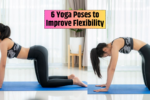
Boat Pose doesn’t play around—it’s a full-on challenge to your abs, hip flexors, and spinal stabilizers all at once. It’s like holding a sit-up midair… only calmer and more controlled.
How it strengthens you:
- Demands steady engagement from upper and lower abs
- Builds deep endurance in stabilizing muscles
- Improves balance and mental focus
How to perform it:
- Sit with legs extended and spine tall.
- Lean back slightly without rounding your lower back.
- Lift both legs to create a “V” shape.
- Extend arms forward, parallel to the floor.
- Hold for 20–40 seconds, breathing evenly.
Avoid: collapsing your back, holding your breath, or stiffening your shoulders.
Muscles at work: abs, hip flexors, and lower back stabilizers.
2. Plank Pose (Phalakasana)
Forget endless sit-ups. The humble Plank Pose works every inch of your core chain from shoulders to hips—while keeping your spine safe and steady.
Why it works:
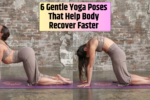
- Strengthens deep abdominals and spinal stabilizers
- Builds shoulder and arm endurance
- Promotes full-body coordination
Try this: imagine pulling your navel toward your spine without holding your breath. That cue alone switches on your transverse abdominis—the muscle responsible for core integrity.
Hold for: 30–60 seconds, depending on comfort.
3. Side Plank (Vasisthasana)
Most people ignore their obliques until they feel that annoying pinch in the lower back. Side Plank fixes that. It’s a powerhouse for lateral stability and rotational strength—key for running, lifting, or even twisting to grab something from the backseat.
Why it matters:
- Strengthens obliques, hips, and shoulders
- Enhances balance and control
- Protects the spine from rotation-related injuries
How to do it:
- Start in Plank Pose.
- Shift weight onto one hand.
- Stack your feet and raise the opposite arm toward the ceiling.
- Keep your hips lifted and steady.
Feeling bold? Try lifting the top leg—your abs will immediately know what’s up.
4. Dolphin Pose
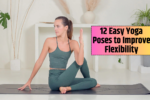
This one doesn’t get enough credit. Dolphin Pose might look like a shoulder opener, but it’s a sneaky core sculptor too. It’s a prep move for inversions, yet works wonders for strengthening deep abdominal and shoulder muscles.
How it helps:
- Engages upper and lower abs simultaneously
- Builds shoulder stability
- Encourages spinal alignment
How to perform:
- Start on your forearms and knees.
- Tuck your toes and lift hips upward.
- Keep your forearms grounded and your belly pulled in.
- Hold for 30–45 seconds.
Tip: keep tension in your core, not your neck.
5. Forearm Plank with Leg Lift
You’ve built strength—now test it. This advanced move adds instability by lifting one leg at a time, forcing your core to stabilize asymmetrically.
What it develops:
- Deep stabilizing muscles of the core and hips
- Symmetry and balance
- Pelvic control
How to perform:
- Come into a standard Forearm Plank.
- Lift one leg slowly without twisting your hips.
- Hold for 10–20 seconds, then switch sides.
If you start trembling halfway through—congratulations, your core is doing its job.
Quick Comparison Table
| Yoga Pose | Core Activation | Difficulty | Best For |
|---|---|---|---|
| Boat Pose | Very High | Medium | Ab endurance |
| Plank Pose | High | Easy | Core stability |
| Side Plank | Very High | Medium | Obliques |
| Dolphin Pose | High | Medium | Deep core & shoulders |
| Forearm Plank + Leg Lift | Extremely High | Advanced | Core control |
Yoga vs. Gym Core Workouts
| Aspect | Yoga Poses | Crunches |
|---|---|---|
| Core Engagement | Full core system | Surface abs only |
| Injury Risk | Low | Moderate |
| Posture Support | High | Minimal |
| Flexibility Benefit | Yes | No |
| Long-Term Effect | Sustainable | Temporary |
The American Council on Exercise (ACE) notes that compound, stability-based exercises—like those found in yoga—are more effective for core endurance than traditional crunches or machines.
How Often Should You Practice?
If you’re new, start slow and focus on form.
| Level | Frequency | Duration |
|---|---|---|
| Beginner | 3–4 times per week | 20–30 sec/pose |
| Intermediate | 4–5 times per week | 30–45 sec/pose |
| Advanced | Daily | 45–60 sec/pose |
Consistency trumps intensity. Listen to your body, keep breathing, and focus on alignment over ego.
True core strength isn’t about flexing it’s about function. Yoga trains your body to stabilize, breathe, and move efficiently. Over time, you’ll notice stronger abs, better posture, and reduced back pain. But more importantly, you’ll gain control—of your body, your breath, and your balance.
So next time someone’s counting crunches beside you, just smile. You’ll be building strength that actually lasts.
