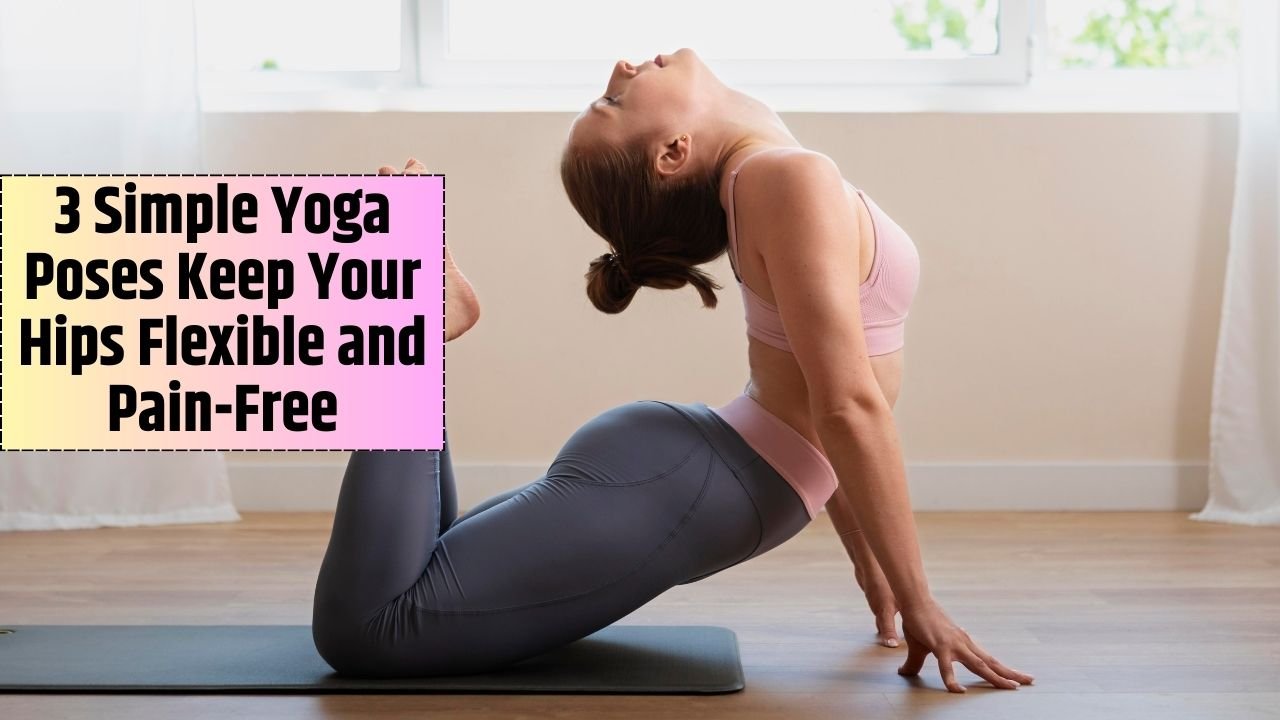

Tight hips might seem like a small annoyance until they start pulling on your lower back, messing with your stride, or making even simple movements feel stiff and awkward. Whether you sit at a desk all day, run marathons on the weekends, or are just dealing with everyday aging, your hips are doing more work than you think. And when they lock up, everything else tends to follow.
But here’s the good news: you don’t need an hour-long yoga class or a deep stretch that makes you wince. Just a few focused minutes with the right poses can bring lasting relief and keep your hips happy for the long haul.
Let’s break down three simple but powerful yoga poses that gently open the hips, relieve tension, and support overall joint health—without any fancy equipment or extreme flexibility required.
Butterfly Pose (Baddha Konasana)
Why it works: This pose is a go-to for a reason. Butterfly Pose targets the inner thighs, groin, and hip joints—areas that get tight and neglected when you sit for long stretches. It’s also incredibly grounding and calming.
How to do it:
- Sit upright on the floor with your spine tall.
- Bring the soles of your feet together, letting your knees fall out to the sides.
- Hold your feet or ankles and draw them gently toward your pelvis.
- Let your knees hover or gently pulse up and down for a light stretch.
Modification tip: If your knees are high off the ground or your hips feel tight, sit on a folded blanket or place cushions under your knees for support.
Benefits:
- Opens tight inner thighs and groin
- Boosts pelvic circulation
- Reduces stiffness from sitting
- Calms the nervous system
This is one of those poses that feels better the longer you stay in it. Even two minutes of gentle breathing here can work wonders.
Low Lunge (Anjaneyasana)
Why it works: Sitting keeps your hip flexors in a constantly shortened position, which leads to imbalance, low back pain, and a tilted pelvis. Low Lunge opens them up safely, allowing you to reset your posture and relieve built-up tension.
How to do it:
- Start in a kneeling position. Step your right foot forward so the knee stacks above the ankle.
- Slide your left leg back, lowering the knee to the mat.
- Inhale and lift your arms overhead or place your hands on your front thigh.
- Gently press your hips forward to deepen the stretch.
Modification tip: Use yoga blocks under your hands if balance is tricky. If your back knee is sensitive, place a folded blanket under it.
Benefits:
- Opens tight hip flexors and quadriceps
- Strengthens glutes and thighs
- Improves balance and hip alignment
- Helps release tension from long-term sitting
Hold for 30 seconds to a minute per side, breathing deeply and moving slowly.
Reclining Figure Four (Supta Kapotasana)
Why it works: This is one of the most accessible hip openers out there. Reclining Figure Four targets the outer hips and glutes—areas that hold tension from everything from running to bad posture.
How to do it:
- Lie on your back with knees bent and feet flat on the floor.
- Cross your right ankle over your left thigh, just above the knee.
- Thread your right hand through the gap between your legs and interlace fingers behind your left thigh.
- Gently draw the left leg toward your chest.
Modification tip: If grabbing your thigh is hard, use a strap or towel behind your leg for support. Keep your head and shoulders relaxed.
Benefits:
- Stretches outer hips and glutes
- Reduces sciatic tension
- Calms the body and supports recovery
- Keeps the spine supported during the stretch
Great before bed, after a walk, or post-workout it’s a favorite for a reason.
Why These Poses Matter
Let’s be clear: you don’t need to be flexible to benefit from these. Yoga isn’t about forcing your body into shapes—it’s about creating space. And in your hips, that space is essential for nearly every kind of movement: walking, bending, climbing stairs, or simply standing tall.
The hips are also where many people carry stress and emotional tension (ever hear someone say they feel “locked up” in their hips?). Gentle stretching with breath awareness can help release that tension both physically and mentally.
Even better, these poses activate supporting muscles like your glutes and core that keep your hips stable and strong. It’s not just about flexibility. It’s about balance.
Healthy hips don’t require a personal trainer, a fancy yoga class, or a punishing stretch routine. All you really need is a few minutes, a quiet space, and the willingness to move gently and consistently.
Butterfly, Low Lunge, and Reclining Figure Four are foundational poses anyone can do—regardless of age, flexibility, or fitness level. Done regularly, they’ll help you maintain mobility, prevent pain, and feel more at ease in your body.
So the next time you feel stiff after a long day or want to wind down before bed, give your hips some love. They carry you through life might as well take care of them.
FAQs
Aim for 3–5 times a week. Consistency is more important than intensity.
Yes! They’re beginner-friendly and can be modified for comfort with props.
Generally yes, but move gently. Avoid pushing into sharp or lingering pain, and consult a healthcare professional if symptoms persist.
30 seconds to 1 minute is ideal. Use your breath as a guide if you’re breathing comfortably, you’re doing it right.
Absolutely. Tight hips often contribute to lower back discomfort. These poses relieve tension in both areas.
