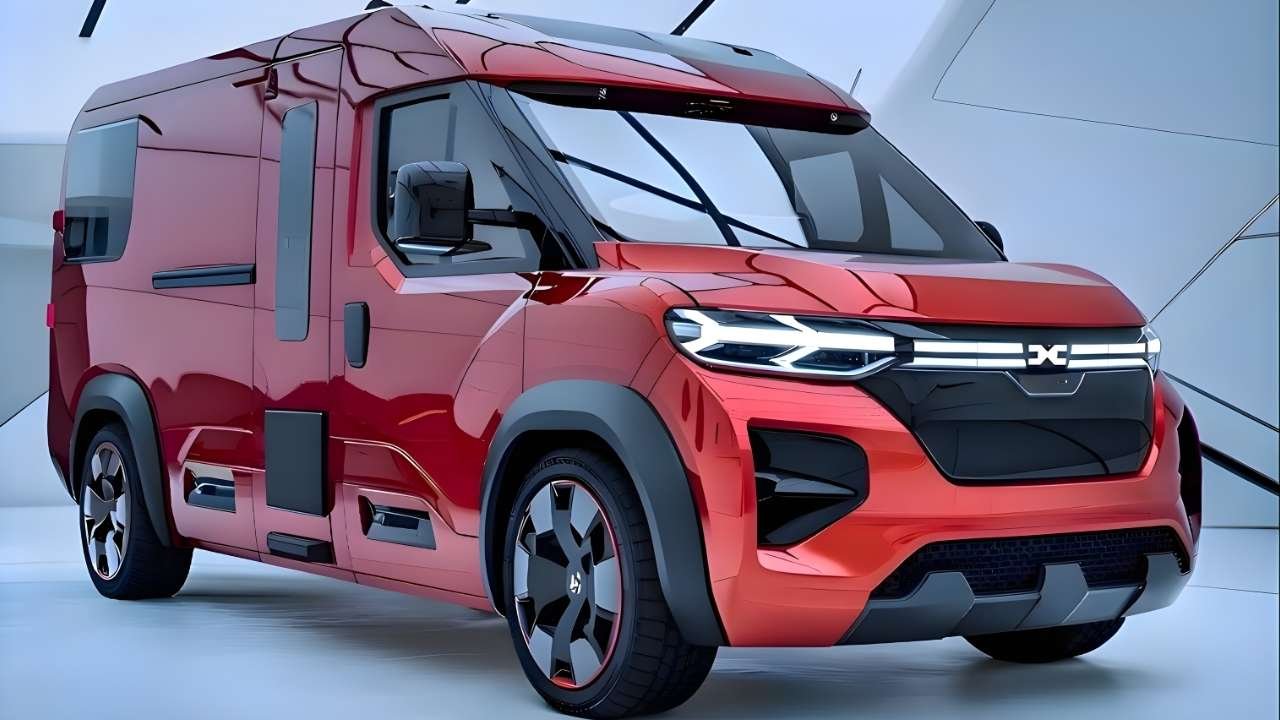

The 2026 Dacia Dokker Camper isn’t a glamorized land yacht or a rolling tech fortress. It’s a lean, smart, go-anywhere van that does exactly what it promises: get you out of town and into adventure without maxing out your credit card.
In a market dominated by six-figure Sprinters and oversized Class Bs, the Dokker Camper delivers the opposite. Affordable. Modest. Surprisingly livable. And that might be exactly what many weekend wanderers and first-time vanlifers have been waiting for.
2026 Dacia Dokker Camper Price: Budget-Friendly, No Gimmicks
Let’s start where most people do: the price. The 2026 Dokker Camper is expected to land between $25,000 and $30,000 USD, depending on trim and optional kits (like solar panels or upgraded kitchen gear). That puts it well below competitors like the Volkswagen Caddy California or mini RV conversions of larger vans.
And for that money, you’re not getting a stripped-down cargo box. Dacia is packaging this with thoughtful features, modular interior design, and just enough comfort to make it road-trip ready from day one.
This is a camper built for budget-conscious explorers, couples, or solo travelers who want a rig that’s ready without requiring another $15K in custom upfitting.
Exterior: Compact, Functional, Ready for the Road
From the outside, the 2026 Dokker Camper keeps things clean and pragmatic. You won’t mistake it for a luxury RV, but that’s the point—it blends into city streets just as easily as it disappears into a forest trailhead.

It rides on a small van chassis with:
- Wide-opening rear doors for easy gear access
- Sliding side doors for seamless entry
- A retractable awning (optional) for shade wherever you stop
- Roof racks for kayaks, bikes, or solar panels
- Protective cladding to shrug off scrapes from brush or gravel
Its compact footprint makes it extremely easy to park, even in tight urban areas—a huge plus for folks trying to stealth camp or find street parking near trailheads.
| Exterior Specs (Est.) | Details |
|---|---|
| Length | ~4.4 meters (14.4 ft) |
| Ground Clearance | ~170–190 mm |
| Awning | Optional retractable side awning |
| Roof Features | Racks, solar-ready mount, vent options |
| Doors | Dual rear swing doors + sliding side door |
It’s not flashy. It’s functional. And that’s what most people in this segment are looking for.
Interior: Clever Layout, Surprisingly Livable
Here’s where the Dokker Camper punches above its weight.
It’s a true two-person layout, with a fold-flat bed that doubles as seating and a dining area. The setup is modular and can be reconfigured easily—ideal for vanlife rookies who don’t want to wrestle with complex builds.

Key interior features:
- Convertible bed/dinette with memory foam cushions
- Compact kitchenette: 2-burner stove, sink, mini-fridge
- Fresh and grey water tanks (removable for easy fill/dump)
- Multiple storage compartments, including overhead bins and under-bed cubbies
- Interior LED lighting and USB charging points
- Optional pop-top tent version rumored for future release
The materials are intentionally rugged: think easy-to-clean fabrics, moisture-resistant panels, and surfaces that won’t freak out if you spill coffee or track in a little mud. Everything is designed with daily usability and weekend comfort in mind.
Performance & Driving: Easy, Efficient, No Drama
Under the hood, the Dokker Camper uses one of Dacia’s familiar small-displacement engines—either a 1.5L Blue dCi diesel or 1.3L petrol turbo, both proven across Renault-Nissan-Dacia platforms.
You won’t be setting land-speed records, but the van’s lightweight build and car-like dimensions mean you’ll enjoy:
- Better fuel economy (est. 35–45 mpg depending on engine)
- Easy handling in tight turns or city traffic
- Stress-free parking, even in urban or coastal areas
While not 4WD, the Dokker Camper handles light off-road trails and gravel roads with confidence. Think: national parks, rural vineyards, riverside pull-offs—not extreme overlanding, but plenty capable for most casual adventures.

| Performance Summary | |
|---|---|
| Engine Options | 1.5L Diesel / 1.3L Turbo Petrol |
| Transmission | 6-speed manual or CVT auto |
| Drivetrain | FWD |
| Fuel Economy | 35–45 mpg (est.) |
| Off-Road Capability | Light trails, gravel, some elevation |
Tech and Practical Features
Dacia doesn’t overload the camper with high-end tech, but it covers the basics well:
- LED cabin lights
- Multiple USB ports
- Optional solar charging system with roof-mounted panel + inverter
- Touchscreen infotainment with navigation and smartphone integration (on higher trims)
- Cabin heating option (12V or diesel-fed, depending on region)
Simplicity is the theme here. You won’t find digital dashboards or fancy control apps—but that’s not a flaw. It means less to go wrong, and easier DIY fixes when you’re out on the road.
Who Should Buy the 2026 Dokker Camper?
This isn’t a rig for families or long-haul full-timers. But for a weekend warrior, digital nomad, or minimalist adventurer, it hits a sweet spot.
It’s perfect for:
- City dwellers who want a camper that fits in a garage
- Solo travelers or couples exploring on a budget
- Vanlife beginners who want turn-key simplicity
- Outdoor lovers who don’t need a rolling mansion — just a smart, capable basecamp
Pros & Cons
| Pros | Cons |
|---|---|
| Affordable price tag | No 4WD or AWD option |
| Compact and easy to drive | Limited headroom (no high roof) |
| Clever, modular interior | Basic tech and finish |
| Excellent fuel economy | Not ideal for long-term off-grid living |
| Practical, no-frills design | Bed size may be tight for taller users |
The 2026 Dacia Dokker Camper is a breath of fresh air in an overhyped, overpriced camper market. It doesn’t try to be everything—it just focuses on doing the basics really, really well.

With a starting price under $30,000, solid fuel efficiency, and the kind of modular design that empowers real exploration, the Dokker Camper could be one of the most compelling entry-level vans of the year. It’s for the traveler who values simplicity, ease, and freedom over luxury frills.
And that, in many ways, is what the campervan life was supposed to be about all along.
FAQs
Expect a starting price between $25,000 and $30,000 USD, depending on trim and add-ons.
Not really it’s designed more for weekend trips or short-term travel than full-time living.
No built-in bathroom, but there’s space for a portable toilet and optional privacy tent setups.
Light trails and unpaved roads, yes but no 4WD system, so it’s not meant for hardcore terrain.
Solar is an optional upgrade, usually bundled with a basic off-grid power system.
