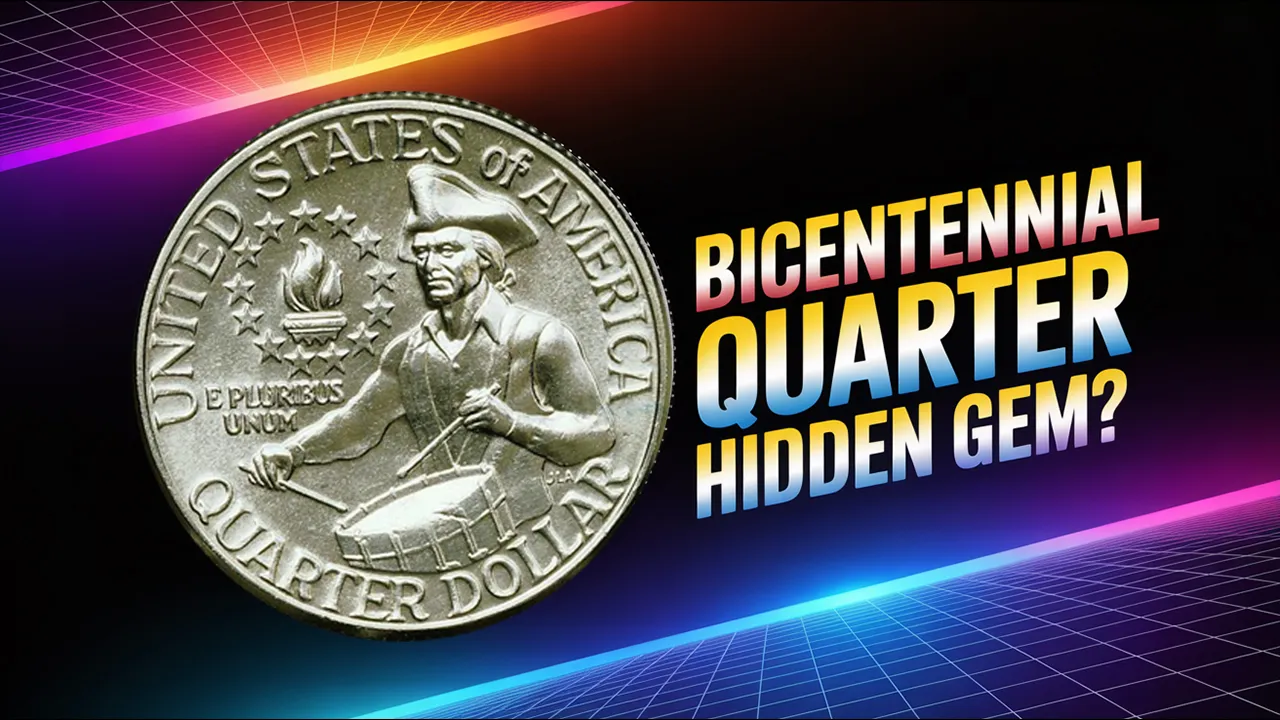

It’s hard to find an American over a certain age who hasn’t seen a 1976 Bicentennial Quarter. With its dual date “1776–1976” and that colonial drummer proudly displayed on the back, this coin was more than just spare change. It was a celebration you could carry in your pocket. And nearly 50 years later, it still sparks curiosity, especially among collectors wondering: Is this quarter actually worth anything?
The short answer? Some are. Most aren’t. But knowing the difference can mean the difference between 25 cents and a $25 find or more.
Let’s dig into the real value of the 1976 Bicentennial Quarter and why certain versions are worth watching for.
Why the Bicentennial Quarter Was Special
To mark the 200th anniversary of American independence, the U.S. Mint rolled out redesigned versions of the quarter, half dollar, and dollar coin. It was the first time since 1892 that circulating coins featured commemorative designs.
The reverse of the Bicentennial quarter, created by artist Jack L. Ahr, features a colonial drummer with a victory torch above and 13 stars in the background representing the original colonies. George Washington remains on the obverse, but with the unique dual date “1776–1976.”
Interestingly, there are no quarters dated “1975”—the Mint prepped early and began striking the commemorative design in 1975, continuing through 1976.

Understanding Bicentennial Quarter Values
Most Bicentennial quarters you see in the wild are made from copper-nickel clad and were minted in huge quantities—over 1.6 billion combined from Philadelphia and Denver. That means the majority of these coins are still worth 25 cents.
But a few important variations and conditions can change that story.
Complete Bicentennial Quarter Value Chart
| Type of Quarter | Composition | Condition | Estimated Value |
|---|---|---|---|
| Philadelphia (no mint mark) | Copper-Nickel Clad | Circulated | $0.25 |
| Denver (“D” mint mark) | Copper-Nickel Clad | Circulated | $0.25 |
| Philadelphia/Denver (Uncirculated) | Copper-Nickel Clad | Mint State | $1 – $5 |
| San Francisco Proof (Clad) | Copper-Nickel Clad | Proof | $5 – $10 |
| San Francisco Proof (Silver) | 40% Silver | Proof | $10 – $25+ |
| San Francisco Silver (Uncirculated) | 40% Silver | Mint State | $5 – $12 |
| Error or Variety Coin | Varies | Any | $100 to several thousand (case-specific) |
What Makes Some Bicentennial Quarters Valuable?
1. Metal Composition
- Most are copper-nickel clad.
- 40% silver versions were only made in San Francisco, packaged in special collector sets. These are noticeably heavier and lack the brownish copper stripe on the edge.
How to check: Look at the coin’s edge. If you see a solid silver edge, it may be 40% silver. A copper-colored line indicates it’s clad.
2. Mint Marks
- No mint mark = Philadelphia
- “D” = Denver
- “S” = San Francisco (usually a proof or silver coin)
The mint mark is on the obverse (front), just to the right of Washington’s ponytail.
3. Condition
Collectors pay premiums for coins in Mint State (MS) condition—uncirculated, bright luster, no wear.

- A 1976 quarter graded MS67 or higher by PCGS or NGC can fetch $50 to $200+ depending on demand.
- Proof coins, especially those graded PR69 or PR70 Deep Cameo (DCAM), can be worth $20 to $100+.
4. Errors and Varieties
This is where prices can skyrocket but only for verified examples.
Known Bicentennial quarter errors include:
- Double die obverse (DDO): Look for doubling in the lettering or date.
- Off-center strikes
- Clipped planchets
- Wrong planchet errors: A quarter struck on a dime planchet, for example, can sell for thousands.
Note: Error coins must be authenticated by a professional grading service to realize high values.
Realistic Expectations: What’s Your Quarter Worth?
Let’s be honest—most Bicentennial quarters are still worth a quarter. They’re widely available, commonly hoarded, and not especially rare in circulated condition.
But here’s the breakdown:

- Circulated Philadelphia or Denver coin? → $0.25
- Mint State (uncirculated) from P or D? → $1–$5
- S-mint clad proof? → $5–$10
- S-mint silver proof or uncirculated? → $10–$25
- Certified MS67+ or PR70 examples? → $100–$500+
- Major mint error coin? → Potentially $1,000 or more (but requires verification)
Can You Still Find One in Circulation?
Yes—but not the valuable ones.
Copper-nickel Bicentennial quarters still show up in pocket change or coin rolls. But silver versions, proofs, and major errors? Almost never.
To search for higher-end examples, you’ll need to:
- Check old coin jars
- Buy Mint Sets or Proof Sets from 1976
- Browse estate sales or coin dealers
- Shop certified auctions on platforms like Heritage Auctions or GreatCollections
Should You Keep a Bicentennial Quarter?
Here’s the rule of thumb:
- Circulated, clad coin? Fine to spend, but no harm keeping it for nostalgia.
- Uncirculated, silver, or proof? Definitely keep.
- Error coin or high-grade candidate? Have it evaluated by PCGS or NGC.
These coins won’t make most collectors rich—but they connect generations, mark a pivotal moment in U.S. history, and are a fun, accessible entry point for new collectors.

Frequently Asked Questions (FAQ)
No. Most are only worth face value. Only proof, silver, high-grade uncirculated, or error coins have collector premiums.
Silver versions:
Have an “S” mint mark
Lack a copper-colored edge
Were sold in special sets, not released into circulation
It was minted in Philadelphia very common. Worth 25 cents unless in pristine condition.
Never. Cleaning damages the surface and lowers value. Collectors prefer natural toning and wear.
Some might especially high-grade silver or error coins. But overall, most will hold modest collector interest without major value jumps.
