

A racing mind and stiff body don’t clock out just because it’s bedtime. Long after you’ve brushed your teeth and crawled under the covers, your system might still be buzzing from back-to-back screens, mental clutter, or the physical tension of sitting all day. It’s no wonder sleep feels shallow or elusive. But here’s the thing: you don’t need an hour-long yoga flow to fix it. A gentle 14-minute evening yoga routine done with the lights low and the breath slow can help your body shift out of overdrive and into rest mode.
No headstands, no sweat. Just calm, supported movement designed to quiet your system and help you drift off more easily.
Why Evening Yoga Improves Sleep Quality
Let’s talk biology for a second. Your nervous system has two gears: fight-or-flight and rest-and-digest. Most of us live in the former—even at night. Stress, caffeine, overstimulation… they keep us wired. Gentle yoga, especially in the evening, flips that switch. By activating the parasympathetic nervous system, this kind of movement tells your brain, “You’re safe. It’s okay to let go.”
Slower breathing lowers cortisol (your stress hormone), eases muscle tension, and slows the heart rate. That’s the recipe for real, restorative sleep.
Minute 0–2: Seated Breathing to Transition the Day
Sit comfortably—on the floor, on a cushion, or even in bed. Close your eyes. One hand on your belly, the other on your chest. Breathe in through the nose and feel your belly rise. Exhale slowly and feel it soften. Let the exhale be just a little longer than the inhale.
This first step isn’t just about breath—it’s about transition. You’re telling your body the day is done. Time to shift gears.
Minute 2–4: Gentle Neck and Shoulder Release
Neck and shoulders = tension magnets. Start by rolling the shoulders up toward your ears, then gently drop them down and back with your exhale. Tilt the head gently side to side. Skip the neck circles if you’re prone to dizziness or stiffness.
This movement releases the postural stress from phones, laptops, and long hours of sitting. Even your jaw will start to unclench.
Minute 4–6: Cat–Cow for Spinal Relaxation
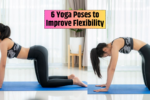
On hands and knees (or seated, if that’s more comfortable), begin Cat–Cow: inhale as you arch the spine and lift your gaze, exhale as you round the back and tuck the chin. Move slowly and let the breath guide you.
This flow soothes the spine and helps your body gently reset after a long day of holding tension.
Minute 6–8: Child’s Pose for Nervous System Calm
Lower into Child’s Pose—knees wide, toes together, arms forward, or tucked under your head. Rest your forehead on a pillow, block, or the floor. Breathe into your lower back.
This is one of the most calming poses in yoga. It grounds the body and soothes the nervous system like a hug from the floor. If your mind is still racing, stay here a little longer.
Minute 8–10: Forward Fold for Mental Quiet
Come into a seated forward fold (Paschimottanasana) or lie on your back and gently hug your knees toward your chest. Let gravity guide the shape—no forcing or tugging.
Forward folds naturally reduce sensory input and help the mind quiet down. You may notice your thoughts start to slow, or that “spinning” feeling begin to ease.
Minute 10–12: Supine Figure Four for Hip Release
Lie back and cross your right ankle over your left thigh, creating a figure-four shape. Reach through to hold behind your left thigh and gently draw the legs in. Switch sides after a minute.
This pose targets the hips and glutes—places where we unconsciously store stress. Releasing them helps your body settle into stillness.
Minute 12–14: Legs Up or Reclined Rest Pose
End with Legs-Up-the-Wall (or legs propped on a pillow) or simply lie flat with your legs extended and arms by your sides. Close your eyes.
Let the breath slow down even more here. Inhale for four counts, exhale for six. Each exhale tells your body it’s safe to surrender.
This final pose lets your circulation settle, calms the mind, and cues the body for sleep.
Breathing Tip for Falling Asleep Faster
If you’re still awake in bed after the routine, use this:
Inhale for 4, hold for 1, exhale for 6.
Longer exhales help lower your heart rate and quiet the mind.
Why This Routine Works Even If You’re Not Flexible
Forget Instagram yoga poses—this isn’t about stretching like a gymnast. It’s about comfort, breath, and release. Use all the props you want: pillows, blankets, cushions. Practice on the bed if the floor feels too harsh. The goal is relaxation, not range of motion.
How Often to Practice for Better Sleep
Ideally? Every night. Realistically? Aim for 4–5 times a week. The benefits stack up. Most people notice better sleep within 1–2 weeks of consistent practice.
| Frequency | Results You May Notice |
|---|---|
| 2–3 times/week | Less evening tension, calmer thoughts |
| 4–5 times/week | Improved sleep onset, deeper rest |
| Daily | Consistent sleep quality, better mood, less anxiety |
Common Evening Yoga Mistakes to Avoid
- Don’t force deep stretches. This is about letting go, not “achieving” a pose.
- Skip bright lights—keep the setting dim. Your eyes signal the brain it’s nighttime.
- No screens after practice. The blue light will undo your good work.
- Avoid energizing flows. Save fast, power-style yoga for morning or midday.
How This Routine Improves Sleep Long Term
Your body thrives on rhythm. If you do this nightly (or close to it), your system begins to associate the routine with winding down. Just like brushing your teeth signals bedtime, this slow practice becomes a cue to the body: “It’s time to rest now.”
People who stick with evening yoga often report:
- Falling asleep faster
- Fewer wake-ups at night
- Feeling calmer during the day
- Reduced anxiety and muscle tension
You don’t need more hustle to sleep better you need softness. This 14-minute evening yoga sequence gives your body and mind permission to slow down. When practiced consistently, it becomes more than a stretch session it becomes a ritual. A bridge between a busy day and a peaceful night. And that’s when deep sleep finally finds you.
FAQs
Yes. Many people find bed practice more soothing at night. Use props for comfort.
Definitely. Gentle movement and breath work can quickly shift your body into rest mode.
Ideally, yes start about 10 to 30 minutes before lights out.
That’s a good sign! It means your body is relaxing deeply.
Not at all. This sequence is beginner-friendly and fully adaptable.
