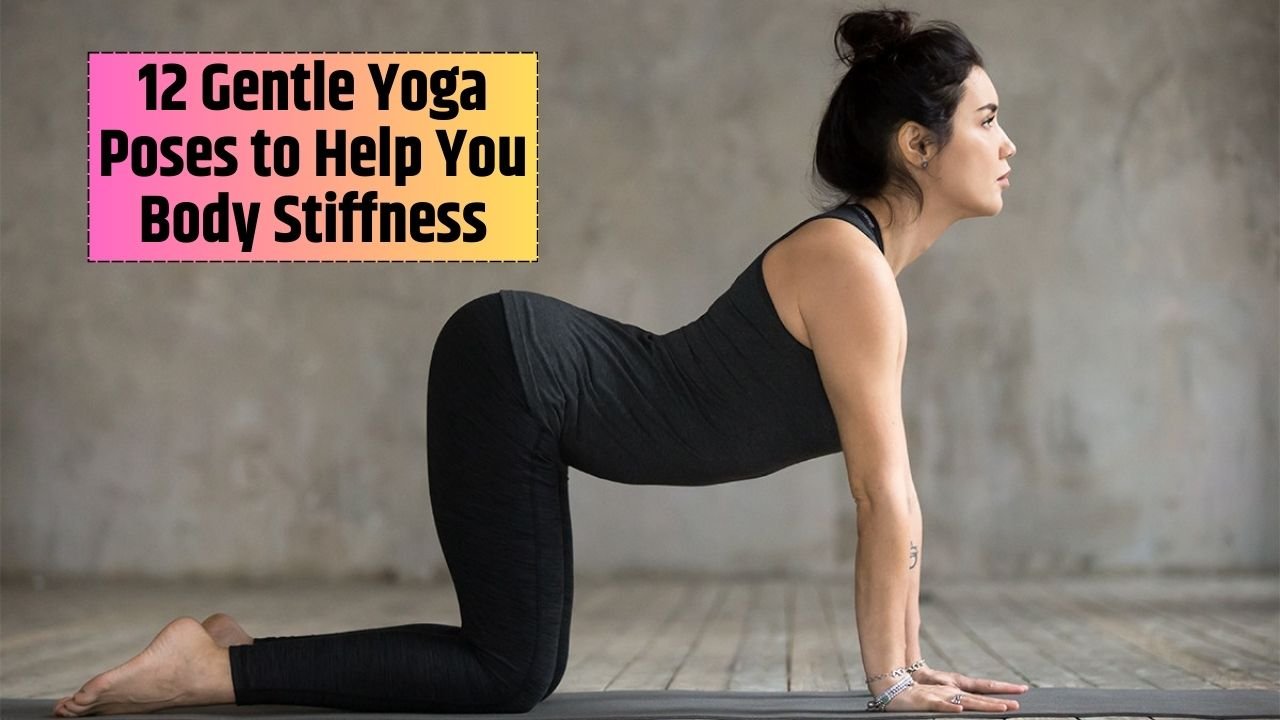

You wake up feeling stiff, stretch your arms, and your back cracks like an old wooden door. Sound familiar? Whether you’re 25 or 65, stiffness has a way of creeping in quietly, consistently, and especially if your life includes long work hours, sitting at a desk, stress, or just… living in the 21st century. What once felt like minor tightness can gradually become constant discomfort, making everything from tying your shoes to turning your head feel like a chore.
But here’s the good news: your body isn’t broken it’s just stuck. And yoga can help unstick it.
Unlike aggressive workouts or temporary fixes, yoga addresses stiffness at its roots: tight muscles, poor posture, limited joint mobility, and tension trapped in the nervous system. It doesn’t just stretch you out—it restores flow, alignment, and ease. And all it takes is a mat, a few minutes a day, and a little patience.
Why Yoga Works So Well for Stiffness
Think of stiffness as the body’s version of rust. The longer you stay still—sitting, slouching, scrolling—the more your joints seize up, and your muscles tighten defensively. Over time, that “just a little sore” feeling becomes chronic tightness or even pain.
Yoga helps reverse this through:
- Dynamic movement that warms up tissues safely
- Targeted stretches that lengthen and release tension
- Controlled breathing that lowers stress and calms the nervous system
- Improved posture that brings your spine and joints back into balance
More importantly, yoga teaches you to move mindfully—not just with force, but with attention and breath. That’s what turns a stretch into real, lasting flexibility.
Let’s walk through 12 of the most effective yoga poses for releasing stiffness and improving mobility from head to toe.
12 Yoga Poses to Release Stiffness and Improve Flexibility
| Pose Name | Primary Benefit | Target Areas |
|---|---|---|
| Mountain Pose | Improves posture and awareness | Spine, legs, shoulders |
| Forward Fold | Releases tight back and legs | Hamstrings, spine, calves |
| Downward Facing Dog | Full-body stretch and spinal relief | Shoulders, back, calves |
| Cat-Cow Pose | Mobilizes the spine | Spine, neck, abs |
| Cobra Pose | Opens chest and strengthens spine | Lower back, chest, shoulders |
| Seated Forward Bend | Deep back-body stretch | Hamstrings, spine, hips |
| Butterfly Pose | Unlocks tight hips | Inner thighs, groin |
| Child’s Pose | Soothes tension and stress | Back, shoulders, hips |
| Triangle Pose | Builds strength and flexibility | Side body, legs, spine |
| Low Lunge | Opens tight hip flexors | Hips, thighs, groin |
| Bridge Pose | Activates spine and glutes | Lower back, glutes, chest |
| Supine Spinal Twist | Relieves back and waist tension | Spine, ribs, waist |
Pose 1: Mountain Pose (Tadasana)
Why it helps:
It’s not just “standing up straight.” Mountain Pose re-teaches your body what alignment feels like. It engages your thighs, activates your core, and gently stacks your spine.
How to do it:
Stand tall with feet together, arms relaxed. Root through your feet, lengthen your spine upward, roll shoulders down, and lift your chest. Breathe slowly and evenly.
Pose 2: Forward Fold (Uttanasana)
Why it helps:
Sitting shortens your hamstrings and tightens your lower back. This pose reverses that.
Tip:
Keep a micro-bend in your knees to protect your lower back and let your head hang heavy to release neck tension.
Pose 3: Downward Facing Dog (Adho Mukha Svanasana)
Why it helps:
It lengthens the spine, stretches the back of your legs, and decompresses tight shoulders.
Pro Tip:
If your heels don’t touch the floor, don’t force it. Focus instead on elongating your spine and opening through the shoulders.
Pose 4: Cat-Cow (Marjaryasana-Bitilasana)
Why it helps:
This gentle spinal wave wakes up the vertebrae and resets your posture after a night (or day) of stillness.
How to use it:
Great as a warm-up or quick mid-day reset. Inhale to arch, exhale to round—let your breath lead the movement.
Pose 5: Cobra Pose (Bhujangasana)
Why it helps:
Counteracts hunching by opening the front body and strengthening the spine.
Caution:
Keep elbows bent and shoulders away from ears. Focus on lifting with your back muscles, not just pressing with your hands.
Pose 6: Seated Forward Bend (Paschimottanasana)
Why it helps:
Releases stiffness in the spine and lengthens tight hamstrings without needing to stand.
Modify it:
Sit on a folded blanket or bend your knees slightly for more comfort and better form.
Pose 7: Butterfly Pose (Baddha Konasana)
Why it helps:
Tight hips = tight lower back. This pose gently opens the hips and groin, perfect after hours of sitting.
Enhancement:
Lean forward from your hips for a deeper stretch, keeping your spine long.
Pose 8: Child’s Pose (Balasana)
Why it helps:
One of the most restorative poses out there. It lengthens the spine, opens the hips, and helps your body let go.
Use it when:
You feel overwhelmed, stiff, or mentally drained. Great before bed or between poses.
Pose 9: Triangle Pose (Trikonasana)
Why it helps:
Stretches the waist, hips, and hamstrings while improving stability and joint control.
Form focus:
Keep your chest open and avoid collapsing into your front side. Use a block under your lower hand if needed.

Pose 10: Low Lunge (Anjaneyasana)
Why it helps:
Tight hip flexors are a major cause of stiffness—especially if you sit a lot. This pose lengthens them and strengthens your legs.
Breathe into it:
Let each inhale lift your spine and each exhale sink your hips deeper—slowly and with awareness.
Pose 11: Bridge Pose (Setu Bandhasana)
Why it helps:
Strengthens glutes and lower back while gently opening tight shoulders and hips.
Feel for it:
Your thighs, abs, and back should all work together. Avoid pressing into your neck.
Pose 12: Supine Spinal Twist (Supta Matsyendrasana)
Why it helps:
Releases spinal tension built up overnight or after a long day.
Bonus:
Also aids digestion and stimulates circulation through the torso. Let gravity do the work here.
How Often Should You Practice?
If you’re dealing with daily stiffness, the most important thing isn’t how hard you stretch—it’s how often.
For best results:
- Aim for 5–6 days/week
- Hold each pose for 20–60 seconds
- Move slowly and breathe deeply
- Avoid pushing or rushing through movements
It’s consistency—not intensity—that unlocks long-term mobility.
Common Mistakes to Avoid
- Forcing deep stretches instead of respecting your range
- Holding your breath (this increases tension!)
- Skipping warm-up poses
- Practicing with poor form or misalignment
Yoga should feel like a release—not a strain. If it hurts, back off and modify.
Benefits of Releasing Body Stiffness Through Yoga
- Reduced risk of injury
- Better posture and balance
- Greater joint mobility
- Enhanced daily movement (bending, walking, lifting)
- Mental relaxation and stress relief
- Improved sleep and energy
Body stiffness may be common, but it doesn’t have to be your new normal. These 12 yoga poses are more than just stretches—they’re invitations to move differently, to breathe deeper, and to reconnect with how your body wants to feel.
Whether you’re easing into yoga as a beginner or using it to counter a sedentary lifestyle, just a few mindful minutes each day can bring real relief. No expensive equipment. No pressure. Just your breath, your body, and a mat.
Flexibility doesn’t happen overnight but stiffness doesn’t stand a chance against consistency.
FAQs
Yes. These poses are designed for all levels. Start slowly, modify when needed, and focus on the breath.
With consistent practice (3–5x per week), many people feel less stiff in as little as 2 weeks.
Both are beneficial. Mornings help awaken your body; evenings help release stress and tension.
Yoga is a powerful complement but not always a replacement. If you have chronic pain or injuries, consult a professional.
Not required, but props like blocks, straps, or folded blankets can help support your body and improve alignment.
