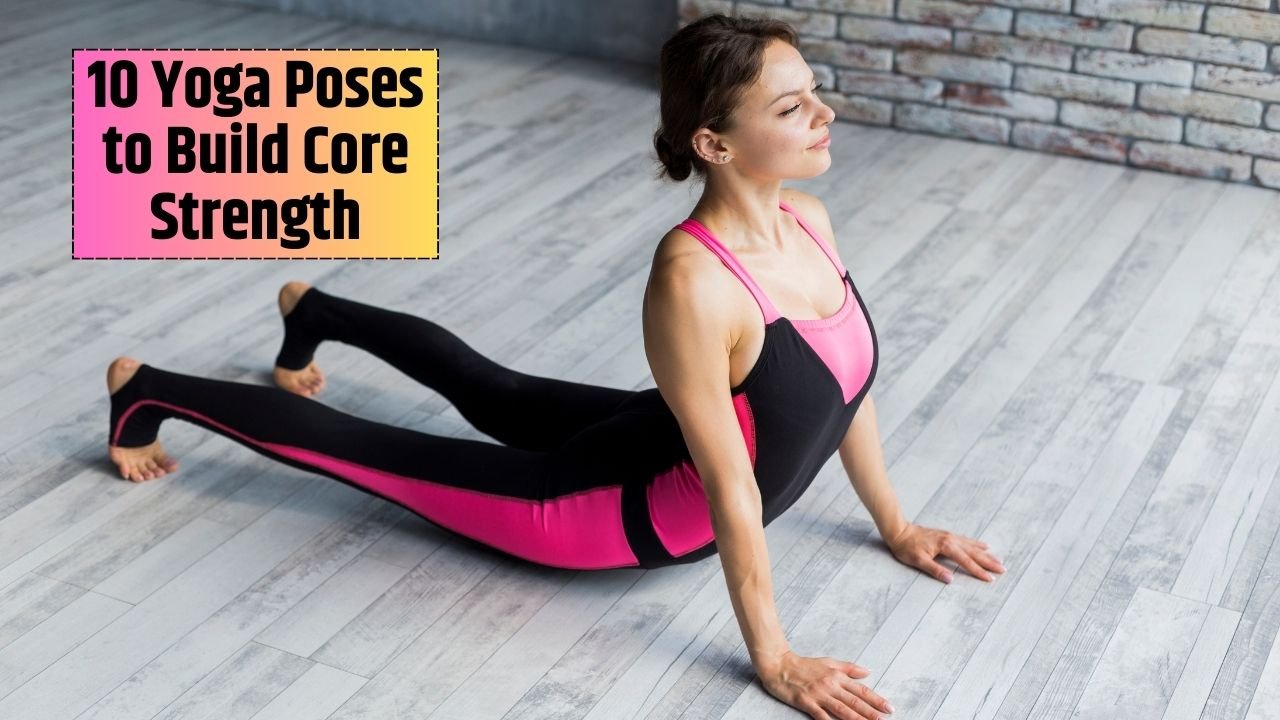

A strong core isn’t just about six-pack abs or crushing planks at the gym it’s the foundation of how you move, stand, and even breathe. From reaching up to grab something off a shelf to stabilizing your spine while you sit or walk, your core is doing quiet but crucial work all day long. And yet, most people either overtrain it with repetitive crunches or neglect it entirely in favor of other fitness goals.
Here’s where yoga shines. Unlike conventional workouts that isolate muscle groups, yoga strengthens the core holistically by engaging deep stabilizers like the transverse abdominis, pelvic floor, and multifidus along with the more obvious muscles like the abs and obliques. At the same time, it enhances flexibility, improves posture, and brings in the magic of breath control, which is key for long-term strength and stability.
If you’re ready to ditch the sit-ups and build a resilient, flexible core instead, these 10 yoga poses are your go-to.
1. Plank Pose (Phalakasana)
Why it works:
Think of Plank as the gold standard for core engagement. You’re holding your body in one straight line, which lights up not just the abs, but also the shoulders, glutes, thighs, and back.
How to do it:
- Start in a push-up position
- Keep hands directly under shoulders
- Engage your core by drawing the belly in
- Press through your heels and lengthen your spine
Bonus tip: Try holding for 30 seconds and work up to a minute.
2. Boat Pose (Navasana)
Why it works:
Boat is one of the most direct ways to challenge the rectus abdominis and hip flexors. It also forces you to focus—because tipping forward or back is all too easy if your core isn’t dialed in.
How to do it:
- Sit with knees bent and feet flat
- Lean back slightly and lift feet off the ground
- Extend your arms forward
- Straighten your legs if possible, forming a “V” shape
Modifications: Keep knees bent or hold behind thighs for support.
3. Downward-Facing Dog (Adho Mukha Svanasana)
Why it works:
Though usually considered a stretch, Down Dog subtly engages your lower abs, shoulders, and spine while offering a deep release through the hamstrings and calves.
How to do it:
- Start on hands and knees
- Tuck toes and lift hips toward the ceiling
- Keep spine long, heels reaching toward the floor
Mind your core: Draw the belly in gently to support the lower back.
4. Warrior III (Virabhadrasana III)
Why it works:
This dynamic balancing pose forces the entire posterior chain (glutes, back, hamstrings) to fire—while the core keeps you from tipping over. Great for training functional stability.
How to do it:
- From standing, hinge forward at the hips
- Extend one leg straight back
- Reach arms forward or keep hands at heart center
- Keep your body in one straight line
Pro tip: Think about lifting from your belly button, not your chest.
5. Forearm Plank
Why it works:
Lowering your center of gravity adds intensity without requiring movement. Forearm Plank puts extra pressure on the core stabilizers and helps build shoulder strength.
How to do it:
- Come onto forearms, elbows under shoulders
- Extend legs straight back
- Press into heels and engage your entire body
Make it harder: Add leg lifts or gentle hip dips.
6. Side Plank (Vasisthasana)
Why it works:
A killer for the obliques, Side Plank also trains lateral balance, which is often overlooked. Your shoulders and hips stay aligned while the side body works to hold you up.
How to do it:
- From Plank, shift weight to one hand
- Stack your feet or stagger for support
- Reach the opposite arm up
- Engage your glutes and lift through the hips
Beginner tip: Drop the bottom knee to the mat.
7. Cobra Pose (Bhujangasana)
Why it works:
Core strength isn’t just about the front body—spinal muscles are just as critical. Cobra targets the lower back, opening the chest while gently engaging the posterior core.
How to do it:
- Lie face down, hands under shoulders
- Press lightly into palms, lifting chest
- Keep elbows bent and shoulders away from ears
Breathe deeply: Inhale to lengthen, exhale to soften into the pose.
8. Chair Pose (Utkatasana)
Why it works:
Holding Chair is a full-body challenge. Your abdominals, thighs, glutes, and back are all working to maintain a low, steady squat while keeping your spine upright.
How to do it:
- Stand with feet hip-width apart
- Bend knees as if sitting back into a chair
- Raise arms overhead and engage your core
Quick tip: Shift weight into your heels and keep your spine neutral.
9. Bridge Pose (Setu Bandhasana)
Why it works:
Often considered a restorative pose, Bridge is actually a powerful way to activate glutes, hamstrings, and lower back muscles. It also helps reset pelvic alignment and posture.
How to do it:
- Lie on your back, knees bent, feet hip-width apart
- Press into feet to lift hips off the mat
- Engage glutes and core—not just your back
Modification: Place a block under the sacrum for a supported version.
10. Seated Twist (Ardha Matsyendrasana)
Why it works:
Twists help tone the obliques and improve spinal flexibility, especially in the thoracic (mid-back) region. They’re subtle but crucial for building core coordination and posture.
How to do it:
- Sit with legs extended, bend one knee and cross over the opposite thigh
- Twist toward the bent leg, placing one hand behind you
- Lengthen the spine as you rotate
Important: Keep the twist in the spine—not the shoulders.
How Yoga Builds Strength and Flexibility at Once
Most fitness routines focus on either strength or flexibility. Yoga? It gives you both—often at the same time.
Here’s how:
| Yoga Element | Strength Benefit | Flexibility Benefit |
|---|---|---|
| Plank-based poses | Builds core and upper body stability | Lengthens hamstrings and calves |
| Balancing postures | Activates deep stabilizers | Improves joint range and muscular control |
| Backbends & twists | Strengthen spinal support muscles | Increase spinal mobility and release tension |
| Breath control (pranayama) | Engages core during exhalation | Enhances muscle relaxation and focus |
This synergy between strength and stretch is what makes yoga such a sustainable and functional fitness tool. It improves how you move, not just how you look.
Building a strong, flexible core isn’t about doing hundreds of crunches—it’s about working smarter, not harder. Yoga helps you develop real-world strength, better posture, and smoother movement patterns through mindful, controlled practice.

These 10 poses are a great place to start. They don’t just train your abs—they upgrade the way your entire body supports you. Over time, you’ll notice:
- Better balance
- Less back pain
- Improved body awareness
- Increased flexibility without sacrificing strength
Stick with it. Consistency wins every time. Your core will thank you—not just on the mat, but in everything you do off it.
FAQs
Aim for 4–5 times per week, even if it’s just 20 minutes per session.
Yes. Most can be modified using blocks, straps, or wall support.
Yes, for functional strength. Yoga activates deep muscles often missed in standard workouts.
Hold for 20–60 seconds based on your level. Breathe deeply and maintain control.
Absolutely. Yoga is designed to do both—making your body more mobile and more stable.
